
Can a greenhouse internal shading system be used in organic farming greenhouses?
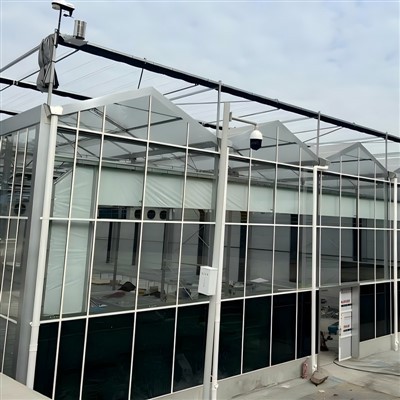
As a supplier of high - quality Greenhouse Internal Shading System, I often encounter inquiries from organic farmers about the suitability of our systems for their greenhouses. Organic farming emphasizes the use of natural methods and materials, and any introduced technology must align with these principles. In this blog, I will delve into the feasibility and benefits of using a greenhouse internal shading system in organic farming greenhouses.

Understanding Organic Farming in Greenhouses
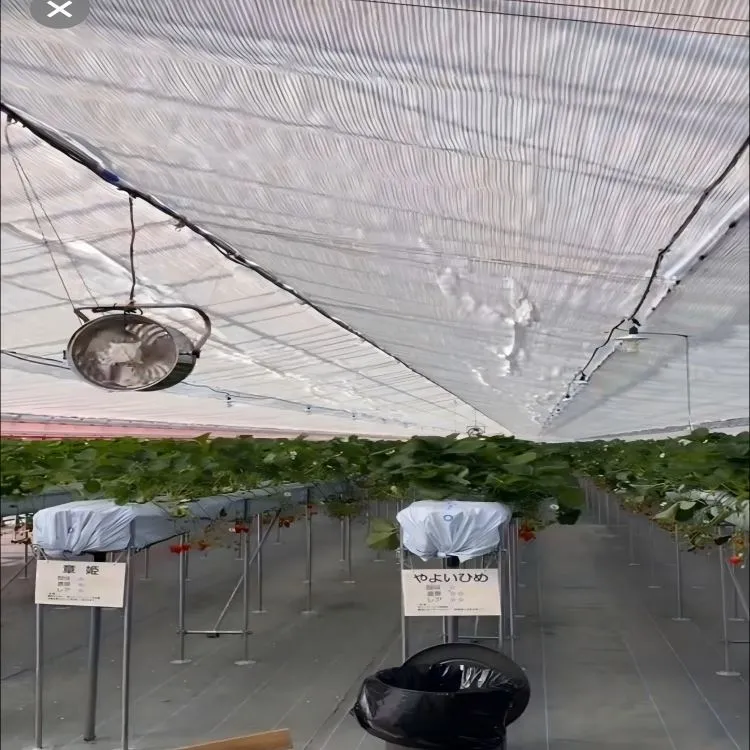
Organic farming in greenhouses aims to create a sustainable and natural growing environment. These farms avoid the use of synthetic pesticides, fertilizers, and genetically modified organisms (GMOs). Instead, they rely on organic soil amendments, biological pest control, and natural pollination methods. The greenhouse is a controlled environment that shields crops from adverse weather conditions and pests while allowing the farmer to manage factors such as temperature, humidity, and light more precisely.
The Role of Shading Systems in Greenhouses
Shading systems, whether Greenhouse External Shading System or Greenhouse Internal Shading System, play a crucial role in greenhouse management. They help regulate the amount of sunlight entering the greenhouse, which is essential for plant growth. Excessive sunlight can lead to high temperatures, which may cause heat stress in plants, reduce photosynthesis efficiency, and even damage the crops. On the other hand, insufficient sunlight can limit plant growth and development.
Compatibility with Organic Farming Principles
One of the primary concerns of organic farmers is whether the use of a greenhouse internal shading system complies with organic farming standards. The good news is that most modern internal shading systems are made from materials that are safe and non - toxic. For example, many shading screens are constructed from synthetic materials that do not release harmful chemicals into the environment. These materials are designed to be durable and long - lasting, which reduces the need for frequent replacements and minimizes waste.
Moreover, the operation of an internal shading system does not involve the use of synthetic pesticides or fertilizers. It is simply a mechanical or automated device that controls the amount of light entering the greenhouse. As long as the system is maintained properly and does not introduce any prohibited substances into the growing environment, it is fully compatible with organic farming principles.
Benefits of Using a Greenhouse Internal Shading System in Organic Farming
Temperature Regulation
One of the most significant benefits of an internal shading system is its ability to regulate temperature. In hot summer months, the shading screen can block a significant portion of the sun's rays, reducing the temperature inside the greenhouse. This helps prevent heat stress in organic crops, which can be particularly vulnerable to high temperatures. By maintaining a more stable temperature, the shading system can improve the overall health and productivity of the plants.
Light Management
Organic plants require an optimal amount of light for photosynthesis. An internal shading system allows farmers to adjust the light intensity according to the specific needs of different crops at various growth stages. For example, some delicate seedlings may need less intense light, while mature plants may be able to tolerate more sunlight. The ability to finely tune the light environment helps ensure that organic crops receive the right amount of energy for growth and development.
Energy Efficiency
Compared to Greenhouse External Shading System, an internal shading system can be more energy - efficient. Since it is located inside the greenhouse, it can reduce the amount of heat gain directly, rather than just blocking the sunlight from hitting the outside of the greenhouse. This can lead to lower cooling costs in the summer and reduced energy consumption overall.
Protection from UV Radiation
The shading screen can also provide protection from harmful ultraviolet (UV) radiation. Excessive UV exposure can damage the DNA of plants, reduce their immune system function, and make them more susceptible to diseases. By blocking a portion of the UV rays, the internal shading system helps protect organic crops and promotes their long - term health.
Types of Greenhouse Internal Shading Systems Suitable for Organic Farming
Retractable Shading Screens
Retractable shading screens are a popular choice for organic farming greenhouses. They can be easily opened and closed according to the weather conditions and the light requirements of the crops. For example, on cloudy days, the screen can be retracted to allow more sunlight to enter the greenhouse, while on sunny days, it can be extended to provide shade. These screens are available in different shading percentages, allowing farmers to choose the level of shading that best suits their crops.
Automatic Greenhouse Shading System
An automatic greenhouse shading system takes the convenience and precision of shading management to the next level. These systems use sensors to monitor factors such as light intensity, temperature, and humidity. Based on the pre - set parameters, the system can automatically open or close the shading screen. This not only saves time and labor for organic farmers but also ensures that the plants are always in an optimal growing environment.
Case Studies
Many organic farms around the world have successfully implemented greenhouse internal shading systems. For instance, an organic tomato farm in California installed a retractable internal shading screen. Before the installation, the farm often faced challenges with overheating during the summer months, which led to reduced fruit quality and yield. After the shading system was installed, the temperature inside the greenhouse was more stable, and the tomatoes showed improved growth and flavor. The farm also reported a significant reduction in energy costs for cooling.
In another case, an organic herb farm in the Netherlands adopted an Automatic Greenhouse Shading System. The system allowed the farmers to precisely control the light environment for different types of herbs. As a result, the herbs grew more vigorously, and the farm was able to increase its production volume while maintaining high - quality standards.
Conclusion
In conclusion, a greenhouse internal shading system can indeed be used in organic farming greenhouses. It is compatible with organic farming principles, offers numerous benefits such as temperature regulation, light management, energy efficiency, and protection from UV radiation. With the availability of different types of shading systems, including retractable screens and automatic systems, organic farmers have the flexibility to choose the one that best meets their specific needs.
If you are an organic farmer interested in improving the growing conditions in your greenhouse with a reliable Greenhouse Internal Shading System, I encourage you to get in touch with us. We can provide you with detailed information about our products, help you select the most suitable system for your farm, and support you throughout the installation and maintenance process.
References
- Resh, H. M. (2012). Hydroponic Food Production: A Definitive Guidebook for the Advanced Home Gardener and the Commercial Hydroponic Grower. CRC Press.
- Incropera, F. P., & DeWitt, D. P. (2001). Fundamentals of Heat and Mass Transfer. John Wiley & Sons.
- Krug, D., & Baille, A. (2000). Greenhouse Climate Control: An Introduction. Springer.