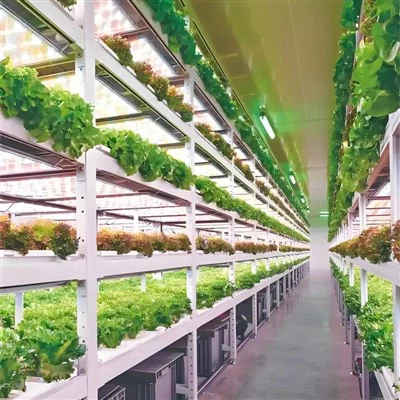

Rainwater harvesting from a greenhouse gutter is a practice that offers numerous benefits, both environmentally and economically. As a supplier of Gutter in Greenhouse, I have witnessed firsthand the positive impacts of this sustainable approach. In this blog, I will explore the various advantages of rainwater harvesting from a greenhouse gutter and how it can enhance the efficiency and sustainability of greenhouse operations.


Environmental Benefits
Conservation of Water Resources
One of the most significant benefits of rainwater harvesting from a greenhouse gutter is the conservation of water resources. Freshwater is a precious and finite resource, and traditional water sources such as municipal water supplies are often over - stressed. By collecting rainwater from the greenhouse roof, growers can reduce their reliance on these conventional water sources. Rainwater is a free and abundant resource, and harvesting it helps to ensure that less water is drawn from rivers, lakes, and underground aquifers. This is especially important in regions where water scarcity is a concern.
Reduced Runoff and Erosion
Rainwater that falls on the greenhouse roof and is not harvested can contribute to surface runoff. Runoff can carry sediment, fertilizers, and pesticides into nearby water bodies, causing water pollution and soil erosion. When rainwater is collected from the greenhouse gutter, it is diverted from the ground, reducing the amount of runoff and the associated negative environmental impacts. This helps to protect local ecosystems and maintain water quality.
Lower Carbon Footprint
The process of treating and transporting municipal water requires a significant amount of energy. By using rainwater instead, greenhouse operators can reduce their energy consumption and, consequently, their carbon footprint. The collection and use of rainwater are relatively energy - efficient processes, as they do not involve the energy - intensive treatment and pumping required for municipal water.
Economic Benefits
Cost Savings
Rainwater harvesting can lead to substantial cost savings for greenhouse operators. The cost of purchasing municipal water can be a significant expense, especially for large - scale greenhouse operations. By collecting and using rainwater, growers can reduce their water bills. Additionally, the initial investment in a rainwater harvesting system, including gutters, downspouts, and storage tanks, can be recouped over time through these cost savings.
Improved Crop Quality
Rainwater is naturally soft and free of many of the chemicals and minerals found in municipal water. This can be beneficial for plant growth, as it reduces the risk of salt buildup in the soil, which can damage plants. Using rainwater for irrigation can also lead to healthier and more productive crops, which can increase the overall profitability of the greenhouse operation.
Reduced Maintenance Costs
Municipal water often contains contaminants that can cause scaling and clogging in irrigation systems. Rainwater, on the other hand, is generally cleaner and less likely to cause these problems. This can reduce the need for maintenance and repairs to the irrigation system, saving both time and money.
Agricultural Benefits
Nutrient - Rich Water
Rainwater contains small amounts of nitrogen and other nutrients that are beneficial for plant growth. These nutrients are absorbed by plants as they grow, providing a natural and sustainable source of fertilization. This can help to reduce the need for synthetic fertilizers, which can be expensive and have negative environmental impacts.
Flexibility in Irrigation
Rainwater harvesting allows greenhouse operators to have more control over their water supply. They can store rainwater during periods of heavy rainfall and use it during dry spells. This flexibility ensures that plants receive a consistent water supply, even during periods of water scarcity.
Complementary Equipment and Integration
RO Water System for Greenhouse
In some cases, rainwater may need to be further treated to meet the specific requirements of certain crops. A RO Water System for Greenhouse can be used in conjunction with rainwater harvesting. Reverse osmosis systems can remove any remaining contaminants from the rainwater, ensuring that the water is of the highest quality for plant growth. This combination of rainwater harvesting and water treatment can optimize the water supply for greenhouse operations.
Agricultural Seedling Equipment
Rainwater can also be used in conjunction with Agricultural Seedling Equipment. Seedlings are particularly sensitive to water quality, and using rainwater can provide a clean and nutrient - rich environment for their growth. By combining rainwater harvesting with advanced seedling equipment, greenhouse operators can improve the success rate of seed germination and the overall health of young plants.
How to Implement Rainwater Harvesting in a Greenhouse
Gutter Installation
The first step in rainwater harvesting from a greenhouse gutter is the proper installation of gutters. Our Gutter in Greenhouse products are designed to efficiently collect rainwater from the greenhouse roof. They are made of high - quality materials that are durable and resistant to corrosion. The gutters should be installed at the correct angle to ensure that rainwater flows smoothly towards the downspouts.
Storage Tanks
Once the rainwater is collected in the gutters, it needs to be stored in a suitable tank. The size of the storage tank will depend on the size of the greenhouse and the amount of rainfall in the area. The tank should be made of a material that is safe for storing water and should be properly sealed to prevent contamination.
Filtration and Treatment
Before using the rainwater for irrigation, it is important to filter and treat it to remove any debris, bacteria, or other contaminants. Simple filtration systems can be installed to remove large particles, and more advanced treatment methods, such as UV sterilization or chemical treatment, can be used to ensure the water is safe for plants.
Conclusion
Rainwater harvesting from a greenhouse gutter offers a wide range of benefits, including environmental conservation, economic savings, and improved agricultural productivity. As a supplier of Gutter in Greenhouse, I am committed to helping greenhouse operators implement effective rainwater harvesting systems. By combining our high - quality gutter products with other complementary equipment, such as RO Water System for Greenhouse and Agricultural Seedling Equipment, we can help growers create a more sustainable and efficient greenhouse environment.
If you are interested in learning more about rainwater harvesting from a greenhouse gutter or are looking to purchase our products, please do not hesitate to contact us for a procurement discussion. We are here to assist you in finding the best solutions for your greenhouse needs.
References
- "Rainwater Harvesting for Sustainable Agriculture." Journal of Sustainable Agriculture, Volume 40, Issue 3, 2016.
- "The Impact of Rainwater Use on Greenhouse Crop Production." International Journal of Horticultural Science, Volume 22, Issue 4, 2018.
- "Water Conservation in Greenhouse Operations." Proceedings of the International Conference on Agricultural Water Management, 2020.