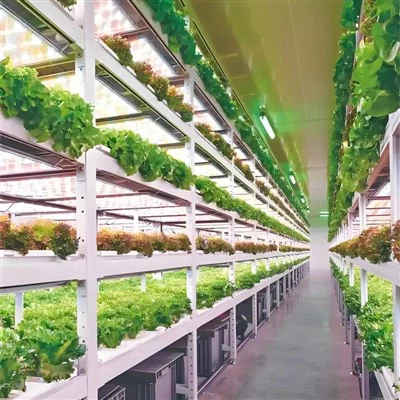

As a supplier of plastic film greenhouses, I often get asked about the optimal spacing of crops within these structures. The spacing of crops in a plastic film greenhouse is a crucial factor that can significantly impact the overall productivity, health, and quality of the plants. In this blog, I will delve into the various aspects of crop spacing in plastic film greenhouses, including the factors to consider, different spacing methods, and the benefits of proper spacing.
Factors to Consider When Determining Crop Spacing
Several factors need to be taken into account when deciding on the spacing of crops in a plastic film greenhouse. These factors can vary depending on the type of crops being grown, the greenhouse environment, and the cultivation methods employed.
1. Crop Type
Different crops have different growth habits, sizes, and nutrient requirements. For example, leafy greens like lettuce and spinach can be grown closer together as they have a relatively small canopy and do not require a lot of space to grow. On the other hand, larger crops such as tomatoes, cucumbers, and peppers need more space to spread out and develop properly. It is essential to research the specific spacing requirements for each crop you plan to grow to ensure optimal growth.


2. Growth Stage
The growth stage of the crops also plays a significant role in determining the spacing. Young seedlings can be planted closer together, but as they grow, they will need more space to avoid overcrowding. Thinning out the seedlings at the appropriate time can help prevent competition for nutrients, water, and sunlight, which can lead to stunted growth and poor yields.
3. Greenhouse Environment
The environment inside the plastic film greenhouse, including temperature, humidity, and light levels, can affect the growth rate and size of the crops. In a warm and humid environment, crops tend to grow faster and larger, requiring more space. Conversely, in a cooler and drier environment, crops may grow more slowly and can be planted closer together. It is important to monitor and adjust the greenhouse environment to suit the needs of the crops.
4. Cultivation Method
The cultivation method used, such as soil-based or hydroponic systems, can also influence the crop spacing. In soil-based systems, the spacing may need to be adjusted to allow for proper root development and soil aeration. In hydroponic systems, where the plants are grown in a nutrient-rich solution, the spacing can be more precise and may be closer together.
Different Spacing Methods
There are several spacing methods that can be used in a plastic film greenhouse, depending on the type of crops and the available space.
1. Row Spacing
Row spacing is a common method used in greenhouse cultivation. It involves planting the crops in rows with a specific distance between each row. The row spacing can vary depending on the crop type and the equipment used for cultivation. For example, wider row spacing may be required for crops that need to be harvested using machinery, while narrower row spacing can be used for hand-harvested crops.
2. In-Row Spacing
In-row spacing refers to the distance between individual plants within a row. This spacing is determined by the size and growth habit of the crops. For example, small plants like lettuce can be planted closer together, while larger plants like tomatoes need more space between each plant. In-row spacing can also be adjusted based on the desired density of the crop and the available space in the greenhouse.
3. Square Foot Gardening
Square foot gardening is a method that involves dividing the greenhouse into small square sections, each measuring one square foot. Each square is then planted with a specific number of plants based on their size and spacing requirements. This method allows for efficient use of space and can be particularly useful for growing a variety of crops in a limited area.
4. Intensive Planting
Intensive planting involves planting the crops closer together than traditional spacing methods. This method can increase the yield per unit area but requires careful management to ensure that the plants have enough space to grow and access to sufficient nutrients and water. Intensive planting is often used for crops that have a short growing season or for high-value crops.
Benefits of Proper Crop Spacing
Proper crop spacing in a plastic film greenhouse offers several benefits, including:
1. Improved Air Circulation
Adequate spacing between plants allows for better air circulation within the greenhouse. This helps to reduce the risk of diseases by preventing the buildup of moisture and humidity around the plants. Good air circulation also promotes the exchange of gases, such as oxygen and carbon dioxide, which are essential for plant growth.
2. Enhanced Sunlight Exposure
Proper spacing ensures that each plant receives sufficient sunlight. Sunlight is crucial for photosynthesis, the process by which plants convert light energy into chemical energy. By providing enough space between plants, you can maximize the amount of sunlight that reaches each plant, leading to healthier and more productive crops.
3. Reduced Competition for Nutrients and Water
When plants are spaced too closely together, they compete for nutrients and water. This can lead to stunted growth and poor yields. By providing adequate spacing, you can ensure that each plant has access to the necessary resources, allowing them to grow and develop to their full potential.
4. Easier Maintenance and Harvesting
Proper crop spacing makes it easier to perform maintenance tasks, such as pruning, watering, and fertilizing. It also allows for more efficient harvesting, as there is enough space to move around the plants without damaging them.
Our Plastic Film Greenhouses and Crop Spacing
At our company, we offer a range of Commercial Greenhouse Frames and Small Plastic Film Greenhouse options that are designed to provide optimal growing conditions for a variety of crops. Our Commercial Hoop Greenhouse is a popular choice among growers due to its durability, affordability, and ease of installation.
When designing our greenhouses, we take into account the importance of crop spacing. Our greenhouses are designed with adjustable features that allow you to customize the spacing based on the specific needs of your crops. Whether you are growing leafy greens, tomatoes, or other vegetables, our greenhouses can be configured to provide the ideal growing environment.
Contact Us for More Information
If you are interested in learning more about our plastic film greenhouses and how they can help you achieve optimal crop spacing, please contact us. Our team of experts is available to answer any questions you may have and to provide you with personalized advice and recommendations. We look forward to working with you to help you grow healthy and productive crops in your plastic film greenhouse.
References
- Smith, J. (2020). Greenhouse Crop Production: Principles and Practices. Wiley-Blackwell.
- Jones, R. (2019). The Complete Guide to Greenhouse Gardening. Storey Publishing.
- Brown, A. (2018). Crop Spacing in Greenhouses: A Practical Guide. Agricultural Extension Service.