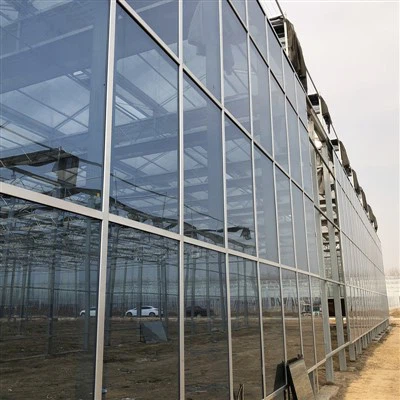
Growing roses in a glass greenhouse is a rewarding endeavor that combines the beauty of these iconic flowers with the controlled environment a greenhouse provides. As a glass greenhouse supplier, I've witnessed firsthand the magic that happens when roses are cultivated in these structures. In this blog, I'll share some essential tips and techniques on how to grow roses successfully in a glass greenhouse.
Selecting the Right Rose Varieties
The first step in growing roses in a glass greenhouse is choosing the right varieties. Not all roses are suitable for greenhouse cultivation. You'll want to select varieties that are disease-resistant, have a compact growth habit, and are well-suited to the temperature and humidity conditions inside the greenhouse.
Some popular rose varieties for greenhouse growing include hybrid tea roses, floribunda roses, and miniature roses. Hybrid tea roses are known for their large, single flowers on long stems, making them ideal for cut flower production. Floribunda roses produce clusters of smaller flowers, adding a splash of color to the greenhouse. Miniature roses are perfect for small spaces and can be grown in pots.
Preparing the Greenhouse
Before planting your roses, it's crucial to prepare the greenhouse properly. Start by cleaning the greenhouse thoroughly to remove any debris, pests, or diseases. You can use a mild detergent and water to clean the glass and frames.
Next, install a Galvanized Pipe Greenhouse Frame if you haven't already. This type of frame provides a sturdy and durable structure for your greenhouse, ensuring it can withstand the elements.
The soil in the greenhouse should be well-draining and rich in organic matter. You can amend the soil with compost, peat moss, or well-rotted manure to improve its fertility and structure. Make sure the soil pH is between 6.0 and 6.5, which is ideal for rose growth.
Planting the Roses
When planting roses in the greenhouse, space them according to the variety's recommended spacing. Generally, hybrid tea roses should be spaced about 18 to 24 inches apart, while floribunda roses can be spaced 12 to 18 inches apart. Miniature roses can be planted closer together, about 6 to 8 inches apart.
Dig a hole that is slightly larger than the root ball of the rose plant. Place the plant in the hole, making sure the bud union (the swollen area where the rose is grafted onto the rootstock) is level with or slightly above the soil surface. Backfill the hole with soil and gently firm it around the plant. Water the rose thoroughly to settle the soil.
Providing the Right Environment
One of the main advantages of growing roses in a glass greenhouse is the ability to control the environment. Roses thrive in a temperature range of 60 to 70°F (15 to 21°C) during the day and 50 to 60°F (10 to 15°C) at night. You can use a heater or a cooling system to maintain these temperatures, depending on the season.
Humidity is also an important factor in rose growth. Roses prefer a humidity level of around 40 to 60%. You can increase humidity by misting the plants regularly or using a humidifier. However, be careful not to overwater the roses, as this can lead to fungal diseases.
Light is essential for rose growth. Roses need at least 6 hours of direct sunlight per day. If your greenhouse doesn't receive enough natural light, you can supplement it with artificial lighting. LED grow lights are a popular choice for greenhouse growers, as they are energy-efficient and provide the right spectrum of light for plant growth.
Watering and Fertilizing
Proper watering is crucial for rose health. Water the roses deeply and regularly, but make sure the soil has a chance to dry out slightly between waterings. Overwatering can lead to root rot, while underwatering can cause the plants to wilt and die.
Fertilizing is also important for rose growth. You can use a balanced fertilizer, such as a 10-10-10 or 12-12-12 formula, every 4 to 6 weeks during the growing season. You can also use organic fertilizers, such as compost or manure, to improve the soil fertility.
Pruning and Training
Pruning is an important part of rose care. Pruning helps to shape the plant, remove dead or diseased wood, and promote new growth. You should prune your roses in the early spring, before new growth begins.
When pruning, use sharp, clean pruning shears. Make cuts at a 45-degree angle, just above an outward-facing bud. Remove any dead, damaged, or crossing branches. You can also prune the roses to control their size and shape.


Training is another important aspect of rose care. You can train your roses to grow on a trellis, fence, or other support structure. This helps to keep the plants upright and makes them easier to manage.
Pest and Disease Control
Roses are susceptible to a variety of pests and diseases, such as aphids, spider mites, black spot, and powdery mildew. To prevent these problems, it's important to keep the greenhouse clean and well-ventilated. You can also use natural pest control methods, such as introducing beneficial insects or using neem oil.
If you do notice pests or diseases on your roses, it's important to treat them promptly. You can use chemical pesticides, but make sure to follow the instructions carefully and use them only as directed.
Choosing the Right Greenhouse Size
When it comes to growing roses in a glass greenhouse, the size of the greenhouse matters. If you're just starting out, a Small Glass Greenhouse might be a good option. It's more affordable and easier to manage. However, if you plan to grow a large number of roses or want to expand your operation in the future, a larger greenhouse might be more suitable.
Shade Structure for the Greenhouse
In addition to temperature and humidity control, providing shade is also important for rose growth, especially during the hot summer months. A Greenhouse Shade Structure can help to reduce the amount of sunlight entering the greenhouse, preventing the roses from getting too hot and stressed.
Conclusion
Growing roses in a glass greenhouse is a wonderful way to enjoy these beautiful flowers year-round. By following these tips and techniques, you can create a thriving rose garden in your greenhouse. As a glass greenhouse supplier, I'm here to help you every step of the way. Whether you need advice on selecting the right greenhouse, choosing the best rose varieties, or caring for your plants, I'm happy to assist you. If you're interested in purchasing a glass greenhouse for your rose-growing project, please don't hesitate to contact me for a consultation. Let's work together to create a beautiful and productive rose garden in your glass greenhouse.