

Let's start by looking at how these systems work. There are basically two types of greenhouse shading systems: external and internal.
The Greenhouse External Shading System is installed outside the greenhouse. It's like a big umbrella that blocks a significant amount of sunlight before it even reaches the plants. This type of system is great because it reduces the heat load on the greenhouse right from the start. By blocking the sun's rays outside, it helps keep the temperature inside the greenhouse more stable. For example, on a scorching summer day, an external shading system can prevent the greenhouse from turning into an oven. It can also protect plants from the harsh UV rays that can damage their leaves and tissues.
On the other hand, the Greenhouse Internal Shading System is installed inside the greenhouse. It works by reflecting or absorbing some of the sunlight that has already entered the greenhouse. This system is useful for providing more targeted shading to specific areas or plants. It can also help in adjusting the light intensity and distribution inside the greenhouse. For instance, if you have some plants that are more sensitive to light, you can use an internal shading system to give them the right amount of protection.

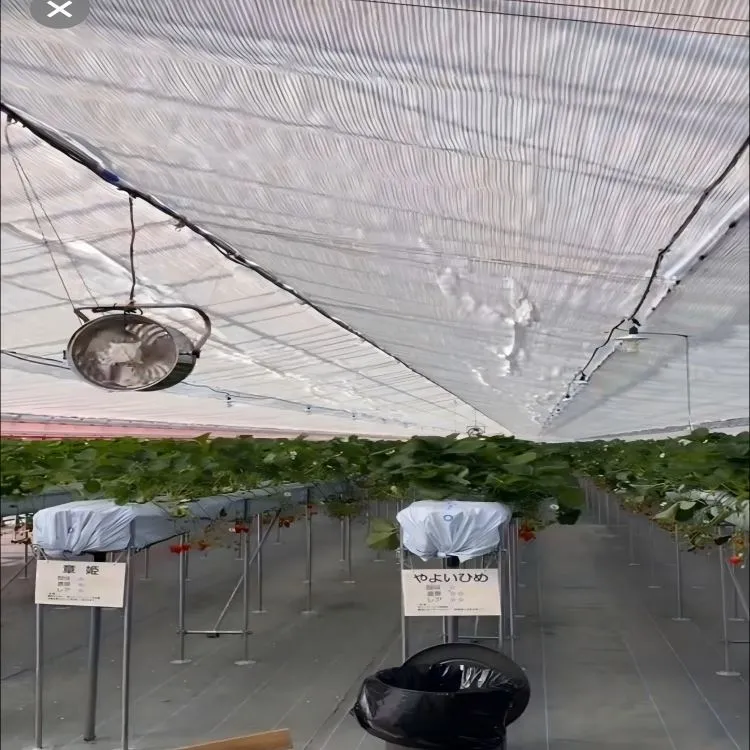
Now, let's talk about the Automatic Greenhouse Shading System. This is a real game - changer. It uses sensors to detect the intensity of sunlight and temperature. When the sunlight gets too strong or the temperature rises above a certain level, the system automatically adjusts the shading. This means you don't have to constantly monitor the conditions inside the greenhouse and manually adjust the shading. It's super convenient and ensures that your plants are always protected.
But do these systems really work? Well, the answer is a resounding yes! Scientific studies have shown that using a greenhouse shading system can significantly reduce the amount of sunlight reaching the plants. For example, a study published in a well - known horticultural journal found that in greenhouses with external shading systems, the light intensity was reduced by up to 50% compared to unshaded greenhouses. This reduction in light intensity helps prevent sun damage to the plants.
Another benefit of these systems is that they can help regulate the temperature inside the greenhouse. Excessive sunlight can cause the temperature to soar, which can be harmful to plants. By blocking or reducing the sunlight, the shading systems keep the temperature at a more comfortable level for the plants. This is especially important in regions with hot climates or during the summer months.
In addition to protecting plants from excessive sunlight, greenhouse shading systems can also save energy. When the temperature inside the greenhouse is lower, you don't need to use as much energy for cooling. This not only reduces your electricity bills but also has a positive impact on the environment.
However, it's important to note that choosing the right shading system is crucial. You need to consider factors like the type of plants you're growing, the climate in your area, and your budget. For example, if you're growing delicate plants that require a lot of shade, an external shading system might be the best option. On the other hand, if you have a smaller greenhouse or want more flexibility in shading, an internal shading system could be a better choice.
So, if you're a plant grower, whether it's for commercial purposes or just as a hobby, investing in a greenhouse shading system is definitely a smart move. It can protect your plants from the harmful effects of excessive sunlight, help you maintain a more stable growing environment, and save you money in the long run.
If you're interested in learning more about our greenhouse shading systems or want to discuss your specific needs, don't hesitate to reach out. We're here to help you find the perfect shading solution for your greenhouse. Whether you're a small - scale grower or a large commercial operation, we have the expertise and products to meet your requirements.


