Hydroponic Cultivation Types & KunSheng Greenhouse Advantages (Colloquial Version)
When it comes to hydroponic growing, we can split it into four main types-all based on two simple things: whether you use a solid substrate, and how you feed the nutrient solution to the plants. Each type works best in different situations, and they're all a little different to run. Let me break them down for you step by step:
I. Substrate Cultivation: Using Solid Material to Hold Plant Roots
With this way of growing, you use solid stuff (we call it substrate) to keep the plant roots in place. Things like sandstone, rock wool, or coconut coir work great for this-they soak up the nutrient solution, so the roots can easily take in what they need. It's not hard to get the hang of, and the plants grow pretty steadily, which makes it perfect for growing a lot of plants at once.
- Rock Wool Cultivation: This is the most common method they use in Dutch greenhouses. You take blocks of rock wool (they're usually 10cm × 10cm × 7.5cm) to hold the plants, and the nutrient solution goes straight into the rock wool through drip tubes. It's really good for fruit veggies like tomatoes and cucumbers-you can use over 95% of the water and fertilizer without wasting it. The only thing you need to remember is to recycle and dispose of the rock wool properly afterward.
- Coconut Coir Cultivation: This one's super eco-friendly. First, you compress coconut coir into blocks, soak them until they're fully wet, then put them into planting bags or troughs. Pair that with a drip system, and you're good to go. It works well for strawberries, lettuce, and things like that. The coconut coir can be used 2-3 times before you need to replace it, and it's cheaper than rock wool-so you save a bit of money too.
- Substrate Trough Cultivation: You can build troughs with bricks or foam boards, then fill them with a mix of perlite and vermiculite as the substrate. It's ideal for leafy greens like lettuce and romaine. It's super easy to take care of, so if you're new to hydroponics, this is the one to try first.
II. Hydroponics: Roots Touch the Nutrient Solution Directly
This method doesn't use any solid substrate at all. The plant roots either hang in the air above the nutrient solution or are half-dipped in it. That way, they can soak up nutrients really fast-great for growing plants that are more valuable.
- NFT Deep-Flow Cultivation: Part of the roots are dipped in 5-10cm of flowing nutrient solution, which has plenty of oxygen. People usually use this for lettuce and water spinach. It saves a lot of water and fertilizer, but you have to keep a close eye on the nutrient solution's concentration-it can't be too strong or too weak.
- DWC Deep-Water Cultivation: The roots are completely submerged in oxygen-rich nutrient solution, so you need an aeration device to keep the roots from rotting. It's good for watercress, and you can also use it for aquaponics (like growing it with tilapia). The plants grow really fast, but you have to be extra careful to keep the nutrient solution clean-no contamination allowed.
- Fog Cultivation (Also Called Aeroponics): You use a fogging nozzle to turn the nutrient solution into tiny mist droplets, which spray directly onto the roots. The roots hang in the air, soaking up the mist and oxygen. It's perfect for fruit veggies like tomatoes and cucumbers, and it gives really high yields. The only downsides? The equipment is a bit expensive, and it needs to be plugged in all the time to work.
III. Vertical Cultivation: Making the Most of Vertical Space
This method comes from the two types above-it's all about using the space above the ground to grow more plants. It increases how much you can grow in a given area, which is perfect for greenhouses that don't have a lot of space.
- Vertical Rock Wool Cultivation: You set up multi-layer frames, and put rock wool blocks on each layer, then add a drip system. It's used for strawberries and tomatoes, and you can get 3-4 times more produce per acre compared to traditional growing methods-it's a total game-changer for yield.
- Vertical Hydroponic Tower: The towers are either cylindrical or square, with planting holes on each layer. The nutrient solution flows down from the top of the tower. It's great for leafy greens, looks nice, and saves space-you'll often see these in tourist greenhouses or even people's homes.
IV. Other Special Methods
- Fish-Vegetable Symbiosis (Aquaponics): This is when you combine hydroponics with fish farming. The fish waste gets broken down by microorganisms, and that becomes the nutrient solution for the plants. Then, the plants clean the water, which goes back into the fish tank to keep the fish healthy. It's a closed ecological loop-super eco-friendly. It works well for growing organic vegetables and keeping ornamental fish, so you get two things out of it: veggies and fish, which is really valuable.
- Substrate Bag Cultivation: You fill PE planting bags with substrate, then punch holes on the sides to plant the crops. It's perfect for balconies or small greenhouses-you can move the bags around easily, and adjust the space between plants as they grow. It's really flexible and easy to manage.
V. Our KunSheng Team's Core Advantages & Greenhouse Introduction
I've been with KunSheng for years, and I can tell you firsthand-our team's biggest strength is that we solve your problems with precision, efficiency, and sustainability. We don't just sell greenhouses; we tailor solutions that fit your exact needs, and that's something we're really proud of. Let me walk you through our greenhouses, and share some little experiments we've done along the way to prove how good they are.
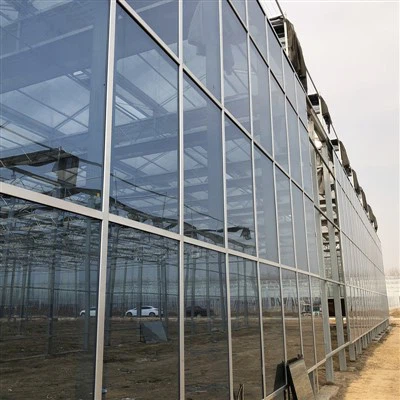
First off, the structure of our greenhouses-we use hot-dip galvanized steel paired with high-strength aluminum alloy fittings. I remember when we first tested this structure a few years back, we put it through all kinds of harsh weather, from heavy rain to strong winds, and it held up perfectly. Unlike those flimsy plastic greenhouses that start falling apart after a few years, ours can last for decades-way longer, which means you won't have to keep replacing parts or building new ones, saving you a ton of money in the long run.
We also have an automatic roof cleaning system that cleans off dust and dirt regularly. Let me tell you about a little experiment we did: we set up two identical test greenhouses, one with our cleaning system and one without. After just a month, the one without the system had a lot of dust buildup, and the plants inside were looking a bit pale-they weren't getting enough light. But the one with our system? The light was still shining through bright and clear, and the plants were lush and healthy. That system keeps light transmittance high, so plants don't get stressed from lack of light, and every part of the greenhouse gets even light-no more patchy growth.
Our intelligent water and fertilizer irrigation system is another game-changer. I've seen so many farmers waste water and fertilizer with regular watering methods-either too much, which washes away nutrients and pollutes the soil, or too little, which stunts plant growth. We tested our system against regular irrigation, and the difference was night and day. Our system uses way less water, and the fertilizer gets absorbed by the plants instead of being wasted. Plus, our closed water supply system is something we're really passionate about-we did a test where we grew the same crop in our greenhouse and a traditional farm, and our greenhouse used way less water, way below the standard set by the UN. It's our way of doing our part for sustainable farming.
Then there's our full-scene intelligent and precise climate control. We have an IoT central control system connected to thousands of sensors all over the greenhouse-they're everywhere, collecting data on temperature, humidity, light, and CO2 levels in real time. I remember when we first installed this system, we did a test with lettuce: in one section, we let the CO2 levels stay natural, and in the other, we used the system to keep CO2 levels steady. The lettuce in the controlled section grew way faster and bigger-because that steady CO2 helps photosynthesis, making plants healthier and more productive. It's like giving the plants exactly what they need, when they need it.
We also use robots for pollination, picking, and sorting-no more relying on manual labor. I've talked to so many farmers who struggle with finding workers, and even when they do, human error can mess up the quality. We tested the robots against manual labor, and not only did the robots cut labor costs drastically, but they also did a more consistent job-no bruised fruits, no missed pollination, just perfect, uniform produce every time. It takes a lot of stress off farmers, which is something we love seeing.
Now, I'll be honest with you-winter heating is a challenge. We use gas heating, and it's a big part of the annual operating costs. We've tried different ways to reduce this, like improving insulation, but without government energy subsidies, it's really tough for most projects to make a profit. That's why we're upfront about it-we want you to have all the facts, not just the good stuff.
Another thing we've learned is that Dutch greenhouses are great, but they're designed for their wet coastal climate. We've tested them in different parts of China, and they don't always work well here. For example, in the northeast, where it's super cold, the insulation isn't enough, so you need extra heating. In the south, where it's hot and humid, cooling in summer uses a lot of energy, which drives up costs. That's where our team comes in-we've spent years testing and adapting our solutions to China's diverse climates. We're with you every step of the way: from designing the solution, choosing the right equipment, to implementing the project. We tailor everything to your planting needs and your site's conditions, because we want you to succeed.
If you're looking for an efficient greenhouse solution, or if you want to know the latest in greenhouse technology, just reach out to us. We're not just a team-we're your partners in growing, and we're here to help you take your agricultural production to the next level. Trust me, we've put in the work, done the tests, and we know what works-for you, and for the planet.
 English
- English
- Français
- Deutsch
- 日本語
- Italiano
- Español
- Português
- русский
- íslenska
- বাংলা
- עברית
- Български
- slovenščina
- Lietuvių
- Eesti
- 한국어
- Polski
- magyar
- Indonesia
- Srbija jezik (latinica)
- українська
- Malti
- România limbi
- عربي
- suomi
- bosanski
- Català
- Kreyòl Ayisyen
- Gaeilgenah Éireann
- Türkçe
- Latviešu
- Việt Nam
- Svenska
- dansk
- Ελληνικά
- O'zbek
- اردو
- Norsk
- Melayu
- Bai Miaowen
- Čeština
- hrvatski
- हिंदी
- slovenčina
- Nederlands
- Cymraeg
- ไทย
- فارسی




Send Inquiry