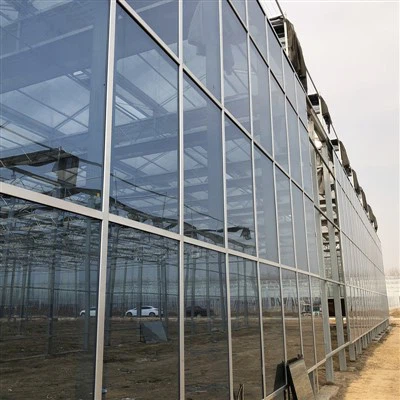
In actual use, its service life depends a lot on the film material, local climate environment and daily maintenance. Generally speaking, many greenhouse films last 1 to 5 years, and the lifespan varies greatly for different types.
PE Film, EVA Film, PVC Film, PO Film is nomal use in greenhouse.
PE Film, low cost with decent light transmission, but not very resistant to aging. If no anti-aging ingredients are added, it will degrade very quickly.
With basic anti-aging treatment, it can last 1–2 years. Great for short-term planting or temporary greenhouses.
And another type Anti-Aging PE Film. Made from regular PE material with added anti-aging agents and UV inhibitors. It stands up better to outdoor weather and keeps good light transmission over time.
Practical service life: 2–3 years. It's the most cost-effective option for small & medium greenhouses and simple multi-span projects.
EVA Film offers outstanding light transmission and heat preservation, plus good weather resistance. Many premium EVA films also come with dust-proof and anti-fog properties, perfect for crops that have high requirements on light and temperature.
Usable for 3–5 years. Widely used for vegetables, flowers and other high-value crops, with good long-term economic performance.
PVC Film with good heat retention and high tensile strength. Its weather resistance is not as good as EVA. Plasticizer migration will make the film hard and brittle.
Service life: 2–4 years. Suitable for winter insulation greenhouses in cold northern areas; better to avoid strong sunlight exposure for long hours.
PO film combines the strengths of PE and EVA. It adopts advanced formula with anti-aging, dust-proof, anti-fog, high light transmission and good thermal insulation all in one, it can even reach 6 years in good maintenance. It's the top choice for high-end greenhouses. Though the initial price is higher, it saves cost in the long run
Greenhouse plastic film is one of the key covering materials for protected farming. How long it can be used directly impacts planting costs, production stability and overall economic returns.
In actual use, its service life depends a lot on the film material, local climate environment and daily maintenance. Generally speaking, many greenhouse films last 1 to 5 years, and the lifespan varies greatly for different types.
PE Film, EVA Film, PVC Film, PO Film is nomal use in greenhouse.
PE Film, low cost with decent light transmission, but not very resistant to aging. If no anti-aging ingredients are added, it will degrade very quickly.
With basic anti-aging treatment, it can last 1–2 years. Great for short-term planting or temporary greenhouses.
And another type Anti-Aging PE Film. Made from regular PE material with added anti-aging agents and UV inhibitors. It stands up better to outdoor weather and keeps good light transmission over time.
Practical service life: 2–3 years. It's the most cost-effective option for small & medium greenhouses and simple multi-span projects.
EVA Film offers outstanding light transmission and heat preservation, plus good weather resistance. Many premium EVA films also come with dust-proof and anti-fog properties, perfect for crops that have high requirements on light and temperature.
Usable for 3–5 years. Widely used for vegetables, flowers and other high-value crops, with good long-term economic performance.
PVC Film with good heat retention and high tensile strength. Its weather resistance is not as good as EVA. Plasticizer migration will make the film hard and brittle.
Service life: 2–4 years. Suitable for winter insulation greenhouses in cold northern areas; better to avoid strong sunlight exposure for long hours.
PO film combines the strengths of PE and EVA. It adopts advanced formula with anti-aging, dust-proof, anti-fog, high light transmission and good thermal insulation all in one, it can even reach 6 years in good maintenance. It's the top choice for high-end greenhouses. Though the initial price is higher, it saves cost in the long run.