


If you’ve ever stepped into a greenhouse on a scorching summer afternoon, you know the first thing that hits you is not just the warm, humid air, but a sharp, suffocating heat that can make working there feel impossible—for you and for the plants inside. For growers, maintaining a consistent, optimal climate is make-or-break: too much heat can scorch delicate leaves, stress fruit trees, or disrupt flowering cycles, while too little light (from over-shading) can stunt growth, reduce yields, or make crops vulnerable to disease. For years, growers have turned to a handful of climate control methods to balance light, temperature, and humidity, and today, greenhouse shading systems have emerged as one of the most versatile options—but how do they stack up against the old standbys, like natural ventilation, evaporative cooling, and thermal screens?
I’ve spent the last five years working as part of the team at a greenhouse shading system supplier, so I’ve seen firsthand how each method works in practice, and where each falls short. Let’s break this down by what matters most to growers: temperature regulation, light management, energy costs, crop health, and scalability.
First, let’s start with how greenhouse shading systems themselves work, because not all shading is created equal. When most people think of greenhouse shade, they picture a thin fabric stretched over the outside of the structure, cutting down on harsh sunlight before it even enters. But there’s a whole range of options, from external shade cloths to internal blinds that hang just above the crop canopy, and fully automatic systems that adjust in real time based on weather data. If you’re not familiar with the basics, our page for Greenhouse External Shading System explains how outside shading works: it’s mounted on the frame or exterior of the greenhouse, usually made of a woven or knitted fabric that reflects or absorbs a percentage of sunlight, reducing solar gain by 30 to 70% depending on the density of the material. Then there’s Greenhouse Internal Shading System, which sits inside the greenhouse, often just a few feet above the plants. Internal systems do the same light reduction job but with an extra benefit: they also act as an extra layer of insulation at night, trapping heat inside the structure to prevent cold snaps. For growers looking for hands-off control, our Automatic Greenhouse Shading System uses sensors that track sunlight intensity, temperature, and humidity, rolling the shade in or out on a schedule that you can adjust or automate, so you don’t have to manually tweak settings every time the sun dips behind a cloud.
Now, let’s compare this to the most common alternative: natural ventilation. For small, hobbyist greenhouses, this is the go-to: opening side vents, roof vents, or even just leaving the door propped open, letting hot air escape and cool air flow in. It’s cheap, easy, and doesn’t require any special equipment, which is why it’s so popular for home growers. But for commercial operations—think 10-acre tomato farms or cut flower nurseries—natural ventilation has some big limitations. First, it’s entirely dependent on outside weather. If it’s a still, humid day with no breeze, hot air can get trapped inside the greenhouse, making temperatures spike well above what crops can handle. I remember a client last summer, a medium-sized herb farm in central California, who relied solely on natural ventilation and lost 20% of their basil crop in one heatwave because temperatures hit 110 degrees F inside, even with all vents open. The second big issue is light: when you open vents, you’re not just letting hot air out—you’re letting full, unfiltered sunlight in, which can still scorch plants on bright days. And natural ventilation does nothing for night-time temperature control, which is critical for many crops; roses, for example, need a 10 to 15 degree F drop between day and night to set buds. Shading systems, on the other hand, let you adjust light levels regardless of outside temperature, and the internal types add that insulation layer for nights.
Next up: evaporative cooling. This is another common commercial method, especially in dry, arid regions, and it works by blowing warm air through pads soaked with water. As the water evaporates, it cools the air before it enters the greenhouse, cutting temperatures by 10 to 20 degrees F. On paper, this sounds like a solid solution for heat, but it has two major downsides that shading systems avoid. First, it requires a lot of water—like, thousands of gallons a day for a medium-sized greenhouse. For growers in areas with drought restrictions, that’s not just an extra cost; it’s often impossible to use at all. Second, evaporative cooling adds humidity to the air inside the greenhouse, which is great for some crops (like lettuce or cucumbers) but terrible for others. Tomatoes, for example, are prone to fungal diseases like powdery mildew when humidity stays above 85% for more than a few hours, and many cut flowers develop mold that ruins their shelf life. Shading systems don’t add any humidity, because they’re just filtering sunlight and heat—they work by reducing solar gain, not by adding or removing moisture. So if you’re growing a crop that needs low humidity, like orchids or succulents, shading is a much better option than evaporative cooling.
Another method growers often use is thermal screening, which is different from shading, though they’re often lumped together. Thermal screens are designed to trap heat inside the greenhouse at night, which cuts down on heating costs in the winter, but they don’t do much for heat control during the day—they’re too opaque, and they block too much light. Shading systems, especially internal ones, combine the best of both worlds: during the day, they adjust to the exact amount of sunlight your crop needs, so you can prevent scorch without stunting growth, and at night, you can leave them closed (if they’re the insulated type) to trap heat, so you don’t need to run your heating system as much. I’ve seen a side-by-side test between a commercial tomato greenhouse that used only thermal screens and one that used internal shading with automatic controls: the shading system greenhouse had a 12% higher yield, because it maintained the ideal temperature between 70 and 80 degrees F during the day, while the thermal screen greenhouse often hit 90 degrees F on bright days, leading to flower drop.
So what about when each method works best? Let’s break that down to make it concrete. If you’re a hobbyist with a small greenhouse, natural ventilation is fine—you’re not going to make money if you spend thousands on shading equipment, and you can monitor temperatures on your own. But if you’re growing commercially, or even a mid-sized operation selling to local grocery stores or flower shops, shading systems almost always deliver a better return on investment. Let’s talk about costs, because that’s a big part of the comparison. A basic external shade cloth is cheaper upfront than an automatic shading system, but it requires manual labor to roll it in and out every day, and it doesn’t give you the precision of automatic controls. In contrast, an automatic system might cost more initially, but it reduces labor costs by 80% (think: no more hiring someone to come in at 7 a.m. to adjust shade before the sun gets too hot) and it cuts energy costs for heating and cooling by up to 30%, because you’re not wasting energy on unnecessary temperature swings.
Crop health is another key point. I’ve talked to rose growers who used to use both natural ventilation and evaporative cooling, and they were constantly dealing with botrytis, a fungal disease that thrives in high humidity. They switched to an internal shading system two years ago, and they’ve seen a 40% drop in disease, because they can keep humidity at the ideal 60 to 70% level, while still controlling light. For leafy greens, too much shade can make them leggy and weak, but an automatic shading system lets you set a light threshold—say, 50,000 lux, the optimal level for basil—and it keeps it there, so you get sturdy, compact plants with a high yield.
One common misconception I hear from growers is that shading systems block too much light, leading to less photosynthesis. But that’s only if you use the wrong shade density for your crop. For example, a shade cloth with 30% shading is perfect for tomatoes and peppers, which need full sun, while 50 to 60% shading works for lettuce and herbs that prefer a bit more shade. The automatic systems we sell let you adjust the shading percentage dynamically—on a cloudy day, the shade rolls back to let in full light, and on a bright, sunny day, it rolls out to block the excess. That’s something you can’t do with natural ventilation or evaporative cooling: they’re either on or off, no middle ground.
What about the downsides of shading systems? No method is perfect, and it’s important to be honest about that. The upfront cost of an automatic shading system can be a barrier for small businesses, especially new growers. But the payback period is usually 2 to 4 years, depending on your crop and energy costs—way faster than replacing plants lost to heat stress or disease. Another downside is that external shade cloths can get damaged by wind, debris, or UV rays over time, so you have to replace them every 3 to 5 years, while internal shading systems are often made with more durable materials that last up to 10 years, if maintained properly.
Let’s put this all together for a real-world example. Last year, we worked with a 5-acre cut flower nursery in Oregon that was using a mix of natural ventilation and evaporative cooling for their dahlias, sunflowers, and zinnias. They were spending $12,000 a year on water for evaporative cooling, and they were losing 15% of their crop to heat stress during summer heatwaves, plus another 10% to fungal diseases from high humidity. They installed our automatic internal shading system last spring, and by the end of the growing season, they’d cut their water bill by 90% (they only use a small amount to clean the shade fabric once a month), reduced crop losses to 3%, and increased their yield by 22%, because they were able to maintain consistent light and temperature levels. That’s the kind of result that makes shading systems worth the investment, even for medium-sized operations.

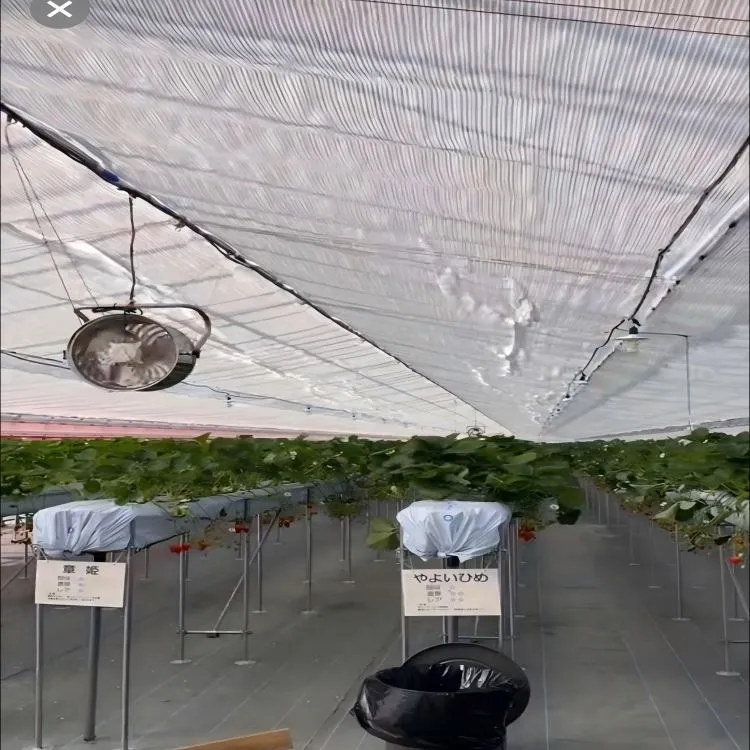
So, if you’re trying to decide between climate control methods, ask yourself a few questions: Where is your greenhouse located? If you’re in an arid region with water restrictions, shading is a no-brainer, because evaporative cooling is not a viable option. What crop are you growing? If it’s a humidity-sensitive crop like tomatoes, orchids, or succulents, shading is better than methods that add moisture. Do you have the labor to manually adjust vents or shade? If you’re short on time, an automatic shading system will save you hours of work every week.
At the end of the day, no single climate control method works for every grower, but shading systems offer a level of precision, energy efficiency, and crop protection that’s hard to beat. They’re not a one-size-fits-all solution, but they’re flexible enough to adapt to different crops, climates, and operation sizes, from small hobby greenhouses to large commercial farms.
If you’re ready to learn more about how a greenhouse shading system could work for your operation, our team is here to help. We can walk you through the different options, from basic external shade cloths to fully automatic internal systems, and help you find the solution that fits your needs and budget. Reach out to our team to learn more and start a conversation about how we can support your greenhouse climate control goals.
References:
- International Society for Horticultural Science. (2020). Climate Control in Protected Cultivation: Shading and Its Impact on Crop Yield and Quality. Acta Horticulturae, 1287, 45-52.
- USDA Agricultural Research Service. (2021). Energy Efficiency of Shading Systems vs. Evaporative Cooling in Commercial Greenhouses. Applied Engineering in Agriculture, 37(4), 567-575.
- Gruda, N. (2019). The Role of Light Regulation in Greenhouse Crop Production: A Review. Scientia Horticulturae, 253, 123-132.


