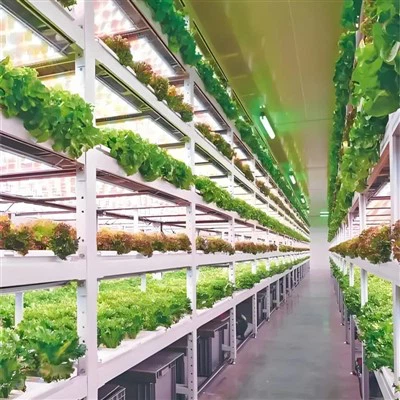

If you’re in the greenhouse or commercial farming game, you’ve probably heard about substrate culture systems—they’re the go-to for soilless growing that balances control, crop health, and yield, right? As someone who’s been supplying these systems for years, I’ve seen small-scale setups blow up into full commercial operations, but man, scaling them up isn’t just “bigger = better.” There are a ton of hidden hurdles that don’t show up when you’re building a 100-square-foot test bed. Let’s break down what actually happens when you try to turn a home-grown setup into a system that feeds hundreds of acres. First off, let’s get clear: when we talk substrate culture, that’s our bread and butter—think inert mediums like coco coir, perlite, or rockwool that hold moisture and keep roots stable, unlike systems like Dutch Bucket Hydroponic System or Commercial NFT Hydroponic System | Nutrient Film Technique Growing System for Leafy Greens which use water as the main root medium. It’s popular because it’s forgiving for a lot of crops, but scaling flips that forgiveness on its head.
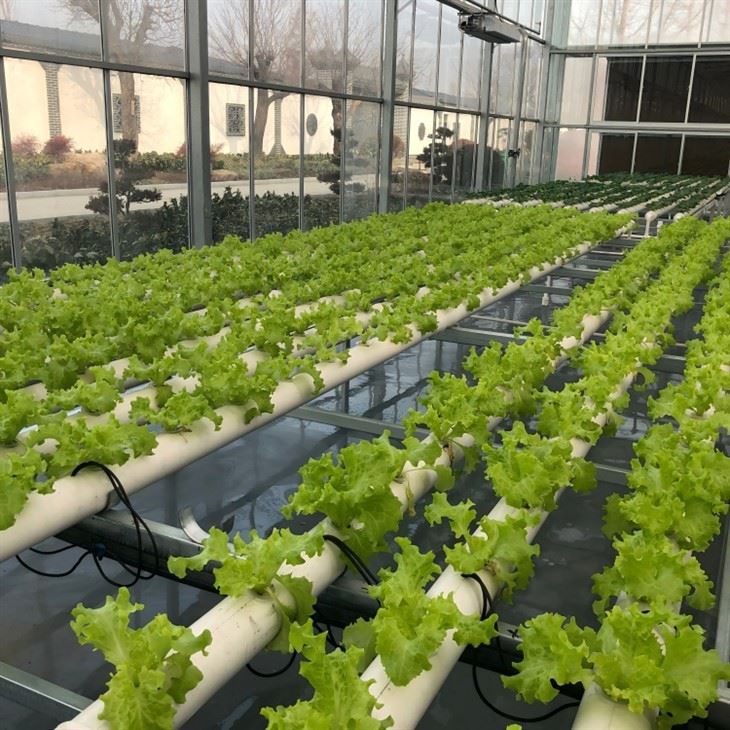

First big challenge: medium management at scale. When you’re small, you can dump a bag of coco coir into your Planting Trough Soilless Culture or a few Dutch buckets, and it’s no big deal to monitor how it breaks down. But when you’re running 100 troughs across a greenhouse? Suddenly, every bag of substrate has to be consistent, because even a 5% difference in moisture-holding capacity between pallets can throw off a whole section of crops. And don’t even get me started on substrate breakdown—over time, organic mediums like coco get compressed, which crushes root aeration. For small setups, you replace every 1-2 years, but commercial operations need a plan that’s cheap and efficient, not just dumping 50 new bags at once. Then there’s sterilization: if a patch of substrate gets a fungal pathogen, that thing spreads fast in a full greenhouse. Small operations can just bake or dip medium, but at scale, you need a system that doesn’t shut down rows for days. I’ve had clients try to cut corners here and end up with 20% crop loss in a season—game over for their margins.
Next up: nutrient delivery and uniformity. Substrate culture relies on precise nutrient levels, but when you’re scaling, “precise” gets hard. Small setups can mix nutrients in a 5-gallon bucket, test it with a $20 meter, and adjust on the fly. But when you’re feeding 10,000 plants through a network of lines, even a clogged emitter or a pressure glitch means some plants get too much, some too little. I’ve seen clients install fancy automated nutrient systems, but they forget that substrate has its own “buffering” effect—some mediums hold onto nutrients, so the formula you use in a small trough doesn’t translate directly to a big trough setup. Even a slight pH swing in one part of the greenhouse can stunt growth, and if your delivery system isn’t calibrated to hit every line equally, you’re left with patchy yields. Compare that to something like NFT, where nutrient flow is more straightforward because it’s recirculated water—substrate’s solid medium adds a layer of complexity that’s easy to overlook when you’re scaling.
Labor and maintenance is another beast. Small operations: you, a part-timer, maybe a friend, can water, check lines, and replace substrate when needed. But a 1-acre substrate setup needs dedicated staff just for routine checks. Emitters get clogged with mineral buildup—if you have 50,000 emitters, that’s 50,000 spots to check. Substrate troughs can get uneven compacted spots, so someone has to walk rows, poke medium, and adjust. I’ve had clients say “we just hired two people to handle it” but then realize those two can’t keep up when a heat wave hits and water use spikes. Also, training is a big one: your part-timer might know how to adjust pH, but a new commercial worker might not recognize the difference between root rot from bad drainage and a nutrient deficiency. High turnover in ag labor means training gaps, and that leads to mistakes that cost real money.
Infrastructure and cost barriers. Scaling substrate culture doesn’t just mean more troughs—it means upgrading everything else. You need a bigger water source (substrate uses more water than NFT sometimes, because medium holds moisture), a better filtration system to keep lines clean, and a storage area for thousands of substrate bags. I’ve had a client who tried to scale in a small existing greenhouse, only to find their old water pump couldn’t handle the pressure for 100 troughs—they had to drop $15k on a new pump just to keep things running. Don’t forget waste: used substrate is organic, and when you’re disposing of 100 pallets a year, you need a plan for composting or proper disposal, which adds another line item. Total cost to scale? For small setups it’s $5k-$10k, but commercial scale is more like $50k-$100k, and that’s before you factor in unexpected repairs or training. A lot of new growers don’t realize that—they see a small setup’s yield and jump in, then get sticker shock.
Wait, let’s talk about crop-specific hurdles too. Substrate works great for tomatoes, peppers, and leafy greens, but not all crops scale the same. Deep-rooted crops like melons need deeper troughs, which means reworking your entire infrastructure. And if you switch from a small test crop to a commercial one, the nutrient requirements change. For example, a 10-plant test bed uses way less nitrogen than a 1,000-plant bed, and if you don’t adjust the substrate recipe, you get leggy plants or small fruit. Also, light exposure at scale—when you’re packing troughs tight, some plants get less light, which interacts with the substrate’s moisture retention. Small operations can rearrange plants, but big ones need to plan spacing with the substrate’s properties in mind.
Now, as a supplier, we’ve learned a lot from helping clients work through these issues. It’s not just selling Substrate Culture System components—it’s walking through how to adjust your medium management, calibrate nutrient delivery, and plan for labor. A lot of new growers reach out thinking scaling is just adding more troughs, but we have to talk about the hidden stuff. For example, if you’re moving from Dutch buckets to a trough system, the way you mix substrate changes, and we help them test small batches first before scaling.
At the end of the day, scaling substrate culture isn’t impossible—it just needs more planning than people think. The key is to work through each hurdle step by step: test substrate consistency, upgrade nutrient systems gradually, train labor early, and budget for infrastructure, not just equipment. If you’re looking to scale your operation and need a partner to help you navigate these challenges, reach out to us to connect for procurement and consultation to make your commercial soilless growing goals a reality.
References
- Resh, H. M. (2022). Hydroponic Food Production: A Definitive Guide for Advanced Gardeners and Commercial Growers. CRC Press.
- Savvas, D., & Gruda, N. (2018). “Substrate Properties and Management in Soilless Culture.” Journal of Plant Nutrition and Soil Science, 181(1), 45-58.
- Stanghellini, C., & van der Weele, C. (2020). “Scaling Up Soilless Growing Systems: Technical and Economic Considerations.” Acta Horticulturae, 1276, 11-18.
- de Kreij, G., & Voogt, W. (2019). “Nutrient Delivery Systems for Commercial Substrate Culture.” Greenhouse Management Magazine, 34(5), 22-27.