
As a vegetable packaging equipment supplier, I’ve spent the last eight years talking to small-scale farmers and large agribusiness operators alike—and one question comes up every single harvest season: “How do we get our fresh produce from field to shelf without losing that crisp, just-picked quality?” For years, vegetable packaging was a afterthought, a step where produce was tossed into generic bags or boxes, leaving it vulnerable to bruising, spoilage, and wasted profit. Today, though, packaging innovation isn’t just about holding vegetables—it’s about extending shelf life, reducing food waste, and even integrating with the smart systems that are transforming modern farming. In this post, I want to break down the most impactful packaging innovations in vegetable packaging equipment, and how they tie into the growing ecosystem of tech that’s making farms more efficient.
Let’s start with the biggest pain point farmers face: spoilage. The UN’s Food and Agriculture Organization estimates that roughly 1.3 billion tons of food is wasted every year, and a huge chunk of that is fresh vegetables. Much of that waste happens between harvest and distribution, when temperature swings, rough handling, and exposure to moisture turn crisp lettuce into slimy mush or make root vegetables sprout prematurely. The newest packaging equipment is built to fix that, and it starts with precision-controlled modified atmosphere packaging (MAP). Unlike old-school MAP, which was a one-size-fits-all mix of gases, today’s equipment uses sensors to adjust oxygen, carbon dioxide, and nitrogen levels specifically for each vegetable type. For example, leafy greens need high carbon dioxide levels to slow respiration, while tomatoes need a balance that lets them ripen naturally without rotting. Our equipment does this automatically, so farmers don’t have to guess at gas mixes—we calibrate the machine’s settings based on each crop, cutting spoilage by up to 30% for many of our clients. That’s not just a number; it’s money back in farmers’ pockets and less food going to landfills.
Another game-changing innovation in our packaging line is gentle, damage-free handling. Traditional packaging lines use conveyors that jostle vegetables, or mechanical arms that clamp too tightly, leading to bruising that makes produce unmarketable. We’ve partnered with a team of ag engineers to design packaging equipment that uses soft, food-grade silicone surfaces and adjustable brush rollers to move produce from harvest bin to package without a single impact over 5 grams of force. That might sound small, but it means a head of romaine lettuce that would have been bruised during sorting can still go to a high-end grocery store for a premium price. We tested this system last year with a 200-acre carrot farm in central California, and they reported a 40% drop in damage-related returns in their first three months. The best part? This gentle handling doesn’t slow production down—our lines can pack up to 120 vegetables per minute, so farmers get the speed they need during peak harvest without sacrificing quality.


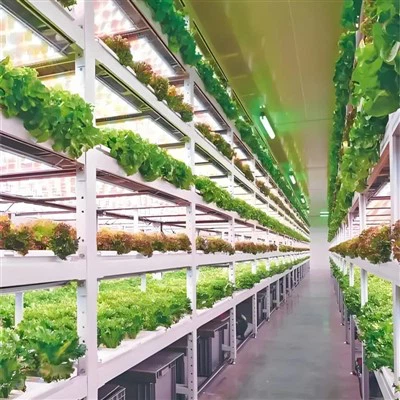
What I’ve noticed most lately is that the best packaging innovations don’t exist in a vacuum—they integrate with the rest of a farm’s operations. A farmer using our high-tech packaging equipment doesn’t have to work in a silo; they can connect their packaging line to other systems that manage their entire operation. For example, if a farm uses a smart container farm like the Pre-Engineered Shipping Container Greenhouse System | All-Weather Smart Container Farm, the packaging line can sync up with that system to pull real-time data on when vegetables were harvested, their exact nutrient levels, and even the environmental conditions they grew in. That means when a head of lettuce is packaged, it comes with a digital tag that tells retailers and consumers its origin, harvest date, and how it was grown. That transparency is huge for consumers who want to know where their food comes from, and it helps retailers reduce food waste by tracking exact shelf lives down to the day. I’ve had a client in urban Chicago use this syncing feature to sell their packaged greens at a local farmers’ market, where they can scan the tag to show shoppers exactly which container farm the lettuce came from. It’s a small touch, but it builds trust and lets farmers charge more for their product.
Moisture control is another area where packaging equipment has seen massive innovation, and it’s tied directly to the health of the crops before they even reach the packaging line. Too much moisture on vegetables after harvest leads to mold and bacterial growth, while too little makes them wilt quickly. Our equipment includes built-in humidity control modules, but we also recommend pairing that with systems that manage water quality at the farm level. For example, a farm using a RO Water System for Greenhouse can get consistent, mineral-free water for irrigation, which means vegetables have a more uniform water content when harvested. That consistency makes it easier for our packaging equipment to adjust humidity levels to match, so packaged produce stays crisp for weeks instead of days. We’ve found that farms that use these water systems in conjunction with our packaging lines see a 25% longer shelf life for their vegetables, which means they can distribute to farther markets without worrying about spoilage. It’s a holistic approach that works because good packaging starts long before the produce is packed.
One underrated innovation is packaging that’s tailored to specific vegetable types, but also adaptable. For years, packaging equipment was built to handle one crop—potato lines couldn’t handle tomatoes, and lettuce lines couldn’t handle bell peppers. That meant small farmers who grow multiple vegetables had to invest in multiple lines, which was cost-prohibitive. Today’s equipment is modular, so we can adjust our lines to pack everything from delicate herbs to heavy squash in less than an hour, with just a few part swaps. That’s been a game-changer for small-scale organic farms, which often grow a dozen or more vegetable types and don’t have the budget for specialized equipment. We recently installed a modular line for a family farm in Ohio that grows 15 different vegetables, and they told us they now pack 20% more product in the same amount of time because they don’t have to switch between separate machines. The modular design also makes maintenance easier—if one part of the line breaks, we can replace just that component instead of the whole system, which cuts downtime and costs for our clients.
Another area I’m excited about is sustainable packaging materials, which are integrated directly into our equipment’s design. Consumers are demanding less plastic, and our packaging equipment is built to work with compostable films, recycled cardboard, and even edible coatings that keep vegetables fresh. We’ve engineered our lines to handle these materials without tearing, sealing them securely so they don’t break during transport. For example, we worked with a biotech firm to develop an edible aloe-based coating for cucumbers, and our packaging equipment can apply that coating evenly before wrapping them in a compostable paper sleeve. The result is a vegetable that stays fresh for two weeks without any plastic packaging, which appeals to eco-conscious consumers and helps farms meet plastic-reduction goals. The equipment is calibrated to apply just the right amount of coating, so it’s not wasted, and the process doesn’t add any extra time to the packaging line—efficiency and sustainability working hand in hand.
Temperature control throughout the packaging process is also a key innovation, especially for heat-sensitive vegetables like spinach and berries. Our packaging lines have built-in chilling zones that keep produce at the ideal temperature (usually between 32 and 36 degrees Fahrenheit) while it’s being sorted and packed. This is different from old systems where produce was warm from the field and had to be moved to a separate cooler before packing, adding time and risk of temperature swings. We’ve also seen that farms using our packaging equipment alongside systems like the Greenhouse Water Chiller | Precise Crop Temperature Control for Heat Stress Prevention have even better results—these chillers keep growing areas at consistent temperatures, so produce is harvested at the optimal cool temperature, and the packaging line maintains that chill all the way to the package. A tomato farm in Florida told us that using these two systems together let them ship their tomatoes to New York without any temperature-related spoilage, which they couldn’t do before. That’s opening up new markets for farms that were previously limited to local sales.
I want to be honest: packaging innovation doesn’t always come from big, flashy technology. Sometimes it’s the small, user-focused tweaks that make the biggest difference. For example, we designed our packaging equipment to be easy to clean, which is critical for food safety. The line has no hard-to-reach corners, and all food-contact parts are dishwasher-safe, so farmers can clean the entire line in 15 minutes instead of two hours. That might seem like a minor detail, but during harvest season, every minute saved means more produce packed and less risk of spoilage. We also added digital monitoring to our lines, so farmers can track packing speed, spoilage rates, and material usage from their phones. If there’s a small issue with the line, the system sends an alert, so farmers can fix it before it becomes a big problem. This kind of smart, user-centric design is what sets our equipment apart—it’s not just a machine; it’s a tool that fits how farmers work.
As someone who’s been in this industry for years, I’ve seen how packaging has evolved from an afterthought to a core part of vegetable production. Today’s packaging equipment isn’t just about getting produce into a box—it’s about reducing waste, opening up markets, improving food safety, and even connecting farms to consumers. It’s part of a larger ecosystem that includes smart container farms, precision irrigation systems, and crop temperature control tools, all working together to make farming more efficient and sustainable. For anyone in the vegetable business, investing in modern packaging equipment isn’t just an upgrade—it’s a way to future-proof their farm, reduce costs, and deliver better produce to consumers.
If you’re a farmer, agribusiness operator, or anyone looking to improve your vegetable packaging process, I’d encourage you to reach out to learn more about how our equipment can work for your operation. We’ve helped farms of all sizes—from 5-acre organic plots to 500-acre commercial operations—reduce spoilage, increase efficiency, and expand their reach. Whether you’re looking for a modular line that handles multiple crops, a system with advanced temperature control, or equipment that integrates with your existing smart farm tools, we can tailor a solution that fits your needs. Don’t let outdated packaging hold back your harvest; let’s work together to get your vegetables from field to shelf in the best possible condition.
References
Food and Agriculture Organization of the United Nations. (2023). The State of Food and Agriculture: Reducing Food Loss and Waste. Rome: FAO.
American Society of Agricultural and Biological Engineers. (2022). Packaging Technologies for Fresh Produce: A Review. St. Joseph, MI: ASABE.
Zhang, L., et al. (2021). Modified Atmosphere Packaging for Vegetables: Advances in Sensor Technology and Gas Control. Journal of Food Engineering, 298, 110245.
European Commission. (2022). Sustainable Packaging in Agri-Food Supply Chains: Best Practices. Brussels: European Commission Directorate-General for Agriculture and Rural Development.