


Hey there, fellow hydroponic enthusiasts! I'm a supplier of Dutch Bucket Hydroponic Systems, and I know firsthand how crucial it is to control humidity in a greenhouse when using this system. Today, I'm gonna share some tips and tricks on how to keep that humidity in check, so your plants can thrive.
Why Humidity Control Matters
First off, let's talk about why humidity control is so important in a Dutch Bucket Hydroponic System. In a greenhouse, the environment is relatively enclosed, and the water used in the hydroponic system can increase the humidity levels. High humidity can lead to a bunch of problems, like mold and mildew growth, which can harm your plants. It can also slow down the transpiration process, making it harder for plants to take up nutrients and water. On the other hand, low humidity can cause the plants to dry out and wilt. So, finding the right balance is key.
Measuring Humidity
Before you can start controlling humidity, you need to know what the current humidity levels are. You can use a hygrometer to measure the humidity in your greenhouse. Place the hygrometer at plant height, as this is where the humidity has the most impact on your plants. Check the humidity levels regularly, especially during different times of the day and seasons, as these can affect the humidity in your greenhouse.
Ventilation
One of the most effective ways to control humidity is through ventilation. Good ventilation helps to remove excess moisture from the greenhouse and bring in fresh air. You can use exhaust fans to expel the humid air outside and intake fans to bring in dry air. Make sure your fans are properly sized for your greenhouse and are placed in strategic locations to ensure even air circulation.
Another option is to use natural ventilation, such as opening windows and vents. This can be a cost - effective way to control humidity, especially in milder weather. However, you need to be careful during extreme weather conditions, as it can also let in pests and diseases.
Dehumidifiers
If ventilation alone isn't enough to control the humidity, you might want to consider using a dehumidifier. Dehumidifiers work by removing moisture from the air. There are different types of dehumidifiers available, such as refrigerant dehumidifiers and desiccant dehumidifiers. Refrigerant dehumidifiers are more commonly used in larger greenhouses, while desiccant dehumidifiers are better for smaller spaces or areas with lower humidity levels.
When choosing a dehumidifier, make sure it's the right size for your greenhouse. You can calculate the required capacity based on the size of your greenhouse and the average humidity levels.
Water Management
Proper water management is also essential for humidity control. In a Dutch Bucket Hydroponic System, you need to make sure that the water is being used efficiently. Avoid over - watering your plants, as this can increase the humidity in the greenhouse. You can use a timer to control the watering schedule and make sure that the water is being distributed evenly.
Also, check for any leaks in your hydroponic system. Leaking water can contribute to high humidity levels and can also damage your plants. Regularly inspect your system and fix any leaks as soon as possible.
Plant Spacing
The way you space your plants can also affect the humidity in your greenhouse. If your plants are too close together, it can create a micro - environment with high humidity. This is because the leaves of the plants can trap moisture, making it harder for the air to circulate. Make sure to space your plants according to their growth requirements. This will allow for better air circulation and help to control humidity.

Using Substrate
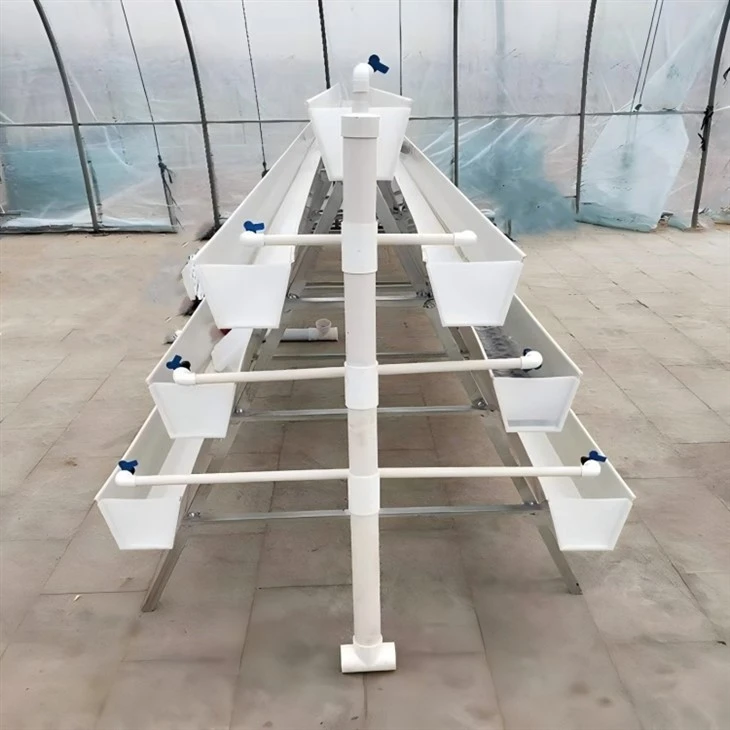
The substrate you use in your Dutch Bucket Hydroponic System can also play a role in humidity control. Some substrates, like coco coir, have good water - holding capacity. However, if not managed properly, they can also contribute to high humidity. You can choose substrates that are well - drained and allow for good air circulation. For more information on substrate culture systems, check out Substrate Culture System.
Shading
Shading can also help to control humidity in your greenhouse. By reducing the amount of sunlight that enters the greenhouse, you can lower the temperature and reduce the rate of evaporation. This can help to keep the humidity levels in check. You can use shade cloths or blinds to control the amount of sunlight.
Monitoring and Adjusting
Controlling humidity is an ongoing process. You need to monitor the humidity levels regularly and make adjustments as needed. If the humidity is too high, you can increase ventilation, use a dehumidifier, or adjust your watering schedule. If the humidity is too low, you can mist the plants or use a humidifier.
Other Hydroponic Systems and Humidity
It's worth noting that different hydroponic systems have different humidity requirements. For example, the Planting Trough Soilless Culture and Greenhouse NFT System may have different humidity needs compared to the Dutch Bucket Hydroponic System. Make sure to research the specific requirements of each system if you're considering using multiple systems in your greenhouse.
Conclusion
Controlling humidity in a Dutch Bucket Hydroponic System in a greenhouse is a multi - faceted task. By using a combination of ventilation, dehumidifiers, proper water management, and other techniques, you can create an optimal environment for your plants. Remember, it's all about finding the right balance.
If you're interested in purchasing a Dutch Bucket Hydroponic System or need more advice on humidity control, don't hesitate to reach out. We're here to help you get the most out of your hydroponic setup.
References
- Resh, H. M. (2013). Hydroponic Food Production: A Definitive Guidebook for the Advanced Home Gardener and the Commercial Hydroponic Grower. CRC Press.
- Raviv, M., & Lieth, J. H. (2007). Greenhouse Climate Control: An Integrated Approach. Springer.


