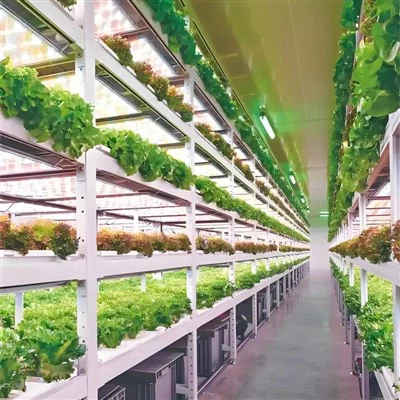

As a supplier of Greenhouse Drip Irrigation Systems, I've seen firsthand the many benefits these systems offer, such as water conservation, precise nutrient delivery, and reduced weed growth. However, like any technology, greenhouse drip irrigation systems are not without their drawbacks. In this blog post, I'll explore some of the disadvantages of using a greenhouse drip irrigation system.
High Initial Cost
One of the most significant disadvantages of a greenhouse drip irrigation system is the high initial cost. The system requires a substantial investment in equipment, including pipes, emitters, filters, valves, and a water pump. Additionally, the installation process can be complex and time - consuming, often requiring professional assistance. For small - scale greenhouse operators or those on a tight budget, this upfront cost can be a major barrier to adoption.
The cost of the components can vary depending on the size of the greenhouse, the type of crops being grown, and the level of automation desired. For example, a basic drip irrigation system for a small greenhouse might cost a few hundred dollars, while a more advanced, fully automated system with an Intelligent Water and Fertilizer Integrated System can cost several thousand dollars.
Clogging Issues
Another common problem with greenhouse drip irrigation systems is clogging. The small emitters used in the system are prone to blockages, which can be caused by various factors. Sediments, minerals, and organic matter in the water can accumulate in the emitters, reducing the flow of water and nutrients to the plants. Algae and bacteria can also grow inside the pipes and emitters, further contributing to clogging.
To prevent clogging, regular maintenance is required. This includes cleaning the filters, flushing the system, and checking the emitters for blockages. However, even with proper maintenance, clogging can still occur, especially if the water quality is poor. When clogging happens, it can lead to uneven water distribution, with some plants receiving too much water and others too little. This can affect plant growth and yield.
Limited Coverage Area
Greenhouse drip irrigation systems are typically designed to provide water and nutrients directly to the root zone of individual plants. While this targeted approach is beneficial for many crops, it also means that the coverage area of each emitter is limited. In larger greenhouses, a large number of emitters and a complex network of pipes may be required to ensure uniform coverage.
This limited coverage area can also be a problem when growing certain types of crops that require a more widespread distribution of water. For example, some leafy greens and herbs may benefit from a more even water spray over a larger area. In such cases, a drip irrigation system may not be the most suitable option, and alternative irrigation methods such as overhead sprinklers may be more appropriate.
Dependency on Power and Water Supply
Greenhouse drip irrigation systems rely on a power source to operate the water pump and, in some cases, the control system. If there is a power outage, the system will stop working, which can be a serious problem for the plants, especially during hot and dry periods. Additionally, the system requires a reliable water supply. If the water source is interrupted or the water pressure is too low, the system may not function properly.
To mitigate these risks, some greenhouse operators install backup power generators and water storage tanks. However, these additional measures add to the cost and complexity of the system.
Potential for Root Diseases
The constant moisture around the root zone created by a drip irrigation system can create a favorable environment for the development of root diseases. Fungi and bacteria thrive in moist conditions, and if the soil is not well - drained, the roots of the plants can become waterlogged, leading to root rot and other diseases.
To prevent root diseases, proper soil management and drainage are essential. This may involve using well - drained soil mixes, adding organic matter to improve soil structure, and ensuring that the greenhouse has adequate ventilation. However, even with these precautions, the risk of root diseases remains higher compared to some other irrigation methods.


Complexity of System Design and Management
Designing and managing a greenhouse drip irrigation system can be complex. Factors such as the type of crops, the size and layout of the greenhouse, the water quality, and the climate need to be considered when designing the system. Incorrect design can lead to inefficiencies, such as over - or under - watering, and can also increase the risk of clogging and other problems.
Once the system is installed, ongoing management is required. This includes monitoring the water flow, adjusting the irrigation schedule, and maintaining the equipment. For inexperienced greenhouse operators, this complexity can be overwhelming, and mistakes in system design or management can have a significant impact on plant health and productivity.
Environmental Concerns
Although greenhouse drip irrigation systems are generally considered to be more water - efficient than other irrigation methods, there are still some environmental concerns associated with their use. The production and disposal of the plastic pipes and emitters used in the system can contribute to plastic pollution. Additionally, the energy required to operate the water pump and control system can have a carbon footprint.
To address these environmental concerns, some manufacturers are developing more sustainable materials for drip irrigation components, and there is a growing trend towards using renewable energy sources to power the systems. However, these solutions are not yet widely adopted, and the environmental impact of greenhouse drip irrigation systems remains a concern.
Conclusion
While greenhouse drip irrigation systems offer many advantages, it's important to be aware of their disadvantages. The high initial cost, clogging issues, limited coverage area, dependency on power and water supply, potential for root diseases, complexity of system design and management, and environmental concerns are all factors that need to be considered before investing in a drip irrigation system.
However, with proper planning, maintenance, and management, many of these disadvantages can be mitigated. If you're considering a Greenhouse Drip Irrigation System for your greenhouse, I encourage you to contact us to discuss your specific needs. Our team of experts can help you design a system that maximizes the benefits while minimizing the drawbacks. Whether you're a small - scale grower or a large commercial operation, we're here to assist you in making the best decision for your greenhouse.
References
- Smith, J. (2020). "Advances in Greenhouse Irrigation Technology". Journal of Horticultural Science.
- Johnson, A. (2019). "Managing Drip Irrigation Systems in Greenhouses". Agricultural Engineering Magazine.
- Brown, C. (2018). "Environmental Impact of Greenhouse Irrigation Methods". Environmental Science Review.