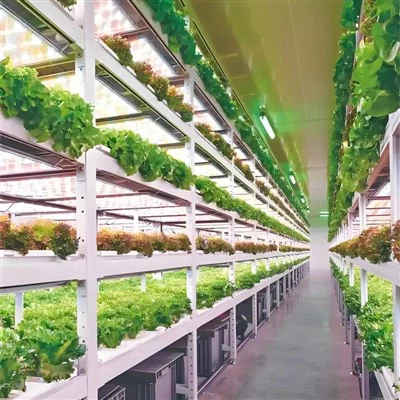

Hey there, fellow growers! I'm a supplier of Planting Trough Soilless Culture systems, and I've seen my fair share of pipe - clogging issues in these setups. It can be a real headache, but don't worry, I'm here to share some tips on how to prevent it.
Understanding the Problem
First off, let's talk about why pipes in a planting trough soilless culture system get clogged. There are a few main culprits. One is the accumulation of mineral salts. When you're using nutrient solutions in soilless culture, over time, these salts can build up in the pipes. As the water evaporates or is absorbed by the plants, the concentration of salts increases, and they can start to crystallize and form deposits in the pipes.


Another common cause is the growth of algae and bacteria. These microorganisms love the warm, nutrient - rich environment inside the pipes. They can form slimy biofilms that restrict the flow of water and nutrients. Debris from the plants, like roots, leaves, or small pieces of growing media, can also find their way into the pipes and cause blockages.
Choosing the Right Components
The first step in preventing pipe clogging is to choose the right components for your system. When it comes to pipes, go for high - quality ones that are smooth on the inside. Rough - walled pipes are more likely to trap debris and promote the growth of biofilms.
Use filters in your system. A good filter can catch large particles of debris before they enter the pipes. You can find various types of filters, such as screen filters, sand filters, and disc filters. Screen filters are relatively inexpensive and can be effective at catching larger pieces of debris. Sand filters are great for removing smaller particles and can also help with biological filtration.
Maintaining the Nutrient Solution
Proper maintenance of the nutrient solution is crucial. First, make sure you're using the right concentration of nutrients. Over - fertilizing can lead to an excessive buildup of salts. Regularly test the nutrient solution to ensure it's within the appropriate range for your plants. You can use a conductivity meter to measure the electrical conductivity of the solution, which gives you an idea of the nutrient concentration.
Change the nutrient solution regularly. How often you do this depends on the type of plants you're growing and the size of your system. Generally, it's a good idea to change the solution every one to two weeks. This helps prevent the accumulation of salts and the growth of harmful microorganisms.
Also, keep the pH of the nutrient solution in check. Most plants prefer a slightly acidic to neutral pH. If the pH is too high or too low, it can cause the nutrients to precipitate out of the solution and form deposits in the pipes. Use a pH meter to monitor the pH and adjust it as needed with pH - up or pH - down solutions.
Controlling Algae and Bacteria
To prevent the growth of algae and bacteria, you can use a few different strategies. One is to keep the pipes out of direct sunlight. Algae need light to grow, so if you can cover the pipes or place them in a shaded area, it can significantly reduce the chances of algae growth.
You can also add an algaecide or a bactericide to the nutrient solution. However, be careful when using these chemicals, as they can also harm your plants if used incorrectly. Follow the manufacturer's instructions carefully.
Another natural way to control microorganisms is to introduce beneficial bacteria into the system. These good bacteria can outcompete the harmful ones and help keep the pipes clean.
Cleaning the System
Regular cleaning of the entire system is essential. Start by flushing the pipes with clean water. You can do this by running water through the system at a high flow rate for a few minutes. This can help dislodge any loose debris or deposits.
For more stubborn blockages, you may need to disassemble the pipes and clean them manually. Use a pipe brush to scrub the inside of the pipes. You can also soak the pipes in a mild cleaning solution, such as a diluted vinegar solution, to dissolve mineral deposits.
Don't forget to clean the filters regularly. Depending on the type of filter, you may need to rinse it, back - flush it, or replace the filter media.
Monitoring and Troubleshooting
Keep an eye on the flow rate of water in your system. If you notice a decrease in the flow, it could be a sign of a clog. You can use a flow meter to measure the flow rate accurately.
If you do encounter a clog, don't panic. Try to locate the blockage first. It could be in the pipes, the filter, or the pump. Once you've found the clog, you can take the appropriate steps to clear it, as described above.
Related Systems
If you're interested in other soilless culture systems, we also offer the Dutch Bucket Hydroponic System and the Substrate Culture System. Each system has its own advantages and can be a great option depending on your needs. Of course, our Planting Trough Soilless Culture system is designed to be efficient and reliable, but proper maintenance is key to keeping it running smoothly.
Contact for Purchase
If you're looking to set up a new planting trough soilless culture system or need replacement parts, I'd love to talk to you. Feel free to reach out for more information and to discuss your specific requirements. We can work together to ensure you have the best system for your growing needs.
References
- Resh, H. M. (2013). Hydroponic Food Production: A Definitive Guidebook for the Advanced Home Gardener and the Commercial Hydroponic Grower. CRC Press.
- Savvas, D., & Gruda, N. (Eds.). (2018). Soilless Culture: Theory and Practice. Academic Press.