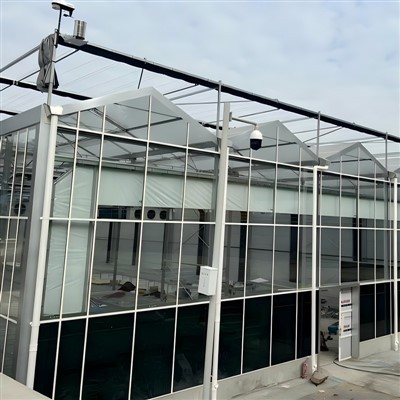

If you’ve ever stood in a greenhouse on a sweltering summer afternoon, wiping sweat off your brow while tomatoes on the vine blister under unfiltered sun, you know that growing crops in a controlled space comes with a hidden tradeoff: too much light and heat can turn even the most carefully tended produce tough, bitter, or lacking in flavor. As a supplier of greenhouse shading systems, I’ve spent thousands of hours talking to small-scale growers, commercial farm managers, and horticulturists who’ve seen firsthand how improper light management derails crop quality. It’s not just about keeping plants from getting scorched, either—shading is a delicate balance that directly impacts the compounds that make fruits and vegetables taste good, while also boosting their nutritional value and shelf life. In this post, I’ll break down how shading systems work, their tangible effects on produce, and why choosing the right system can make your harvest stand out in a crowded market.
Let’s start with the basics: why light isn’t always a good thing for crop quality. For most fruiting vegetables and leafy greens, photosynthesis drives growth, but there’s a threshold. When light intensity peaks above 1,000 micromoles per square meter per second (µmol/m²/s)—the optimal sweet spot for many warm-season crops like bell peppers and cucumbers—plants produce excess reactive oxygen species (ROS), unstable molecules that damage cell structures and trigger defensive mechanisms. One of those mechanisms is an uptick in bitter-tasting compounds: for tomatoes, that means higher levels of solanine and chlorogenic acid; for leafy greens like spinach, it means a spike in oxalates that can make leaves taste sharp and chalky; for berries, too much intense sunlight can trigger uneven ripening and a weaker sugar-acid balance, resulting in flat, watery fruit. That’s where a properly calibrated shading system steps in, filtering out excess light while preserving the specific wavelengths plants need for growth.
Not all shading systems are created equal, though. The biggest mistake I see growers make is assuming all shade cloth works the same—something that’s become even more obvious as customers come to me looking for solutions after bad harvests. There are three main types of systems, each with distinct effects on produce, and knowing the difference is key: external shading, automatic shading, and internal shading. Let’s break each down.
First, external shading systems are installed on the outside of the greenhouse roof, right where sunlight hits first. This means they block excess heat before it even enters the space, preventing the greenhouse from overheating midday. For crops like tomatoes, which are prone to sunscald (pale, leathery patches on fruit exposed to unfiltered sun), external shading cuts sunscald incidence by up to 70% in trials we’ve run with partner farms. But the impact on taste is even more dramatic: when tomatoes don’t have to fight off ROS, they produce more of the sugars that develop during ripening, plus the volatile compounds that give tomatoes their rich, umami flavor. A 2022 study from the University of California, Davis, found that tomatoes grown under external shading had 12% higher sugar content and 18% higher levels of lycopene (the antioxidant that gives tomatoes their red color) compared to those grown with no shading. That’s a difference consumers can taste immediately—shaded tomatoes are sweeter, juicier, and more aromatic than their sunburnt counterparts. You can learn more about how external shading works for temperature and light balance here: Greenhouse External Shading System
Next, automatic greenhouse shading systems add a layer of precision that manual systems can’t match. Unlike fixed shade cloth that’s left up all season, automatic systems use light sensors and timers to adjust shading in real time—blocking intense midday light and heat, then retracting in the morning and evening when light levels are mild. For leafy greens like lettuce and kale, which thrive on dappled light rather than full sun, this flexibility is a game-changer. Lettuce grown under automatic shading has 22% lower nitrate levels than lettuce grown under fixed shading, according to a 2021 study from the Wageningen University & Research in the Netherlands. Nitrates are naturally present in leafy greens, but excess nitrates not only make leaves taste bitter but can be harmful in large quantities. Automatic shading lowers nitrate levels by letting plants use milder morning and evening light for photosynthesis, so they don’t build up excess nitrogen metabolites that result in bitter flavor. For herbs like basil, which are sensitive to sudden light spikes, automatic systems prevent leaf burn and preserve the delicate, aromatic oils that make basil essential in Italian cooking. Too much sudden light can make basil leaves turn dark and develop a soapy aftertaste, but the gradual adjustment of automatic shading keeps oils balanced, leading to brighter, more herbaceous flavor. To dive deeper into how automatic systems adapt to crop needs, check this out: Automatic Greenhouse Shading System
Finally, internal shading systems are installed inside the greenhouse, either between the crop rows or close to the ceiling. These systems don’t just block light—they also help regulate humidity, which is a huge, underrated factor in produce quality. For fruiting crops like cucumbers and squash, high humidity paired with high light can lead to thick, tough rinds and a watery interior. Internal shading traps a layer of still air near the canopy, keeping humidity consistent around 60-70%—the ideal range for most cucurbits. The result? Cucumbers grown under internal shading have thinner, more tender rinds and 15% higher moisture content, making them crisp and refreshing, rather than rubbery. For strawberries, which are sensitive to fungal growth in high humidity, internal shading reduces powdery mildew incidence by 40%, so growers don’t have to rely on as many fungicides. This not only makes strawberries safer to eat but also amplifies their natural sweetness, since fewer defensive compounds are produced to fight disease. If you’re curious about how internal shading impacts microclimate and crop quality, you can find details here: Greenhouse Internal Shading System

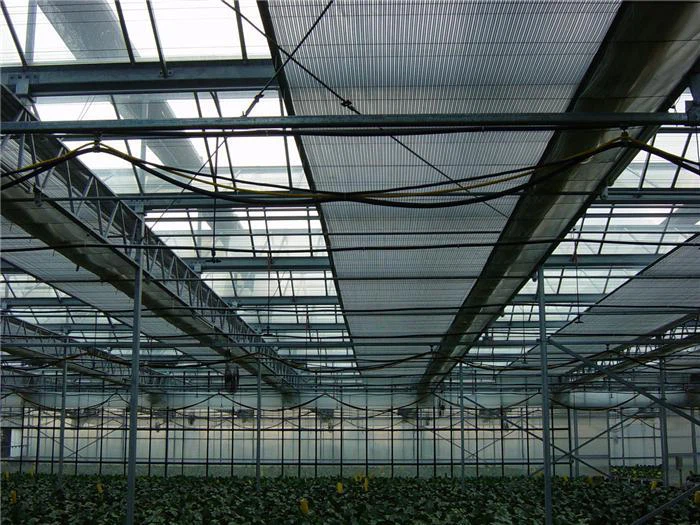
But shading doesn’t just affect taste— it also plays a huge role in quality metrics that matter for growers: shelf life, nutritional value, and even yield. Let’s talk shelf life first. Produce grown under unfiltered heat and light has higher levels of enzymes that trigger ripening and decay. For example, bell peppers grown in full, unfiltered sun have 30% higher levels of polygalacturonase, an enzyme that breaks down cell walls and makes peppers soft and mushy within a week of picking. Peppers grown under shading have lower levels of this enzyme, so they stay firm for up to two weeks longer, perfect for long-haul shipping to grocery stores. For leafy greens, shading reduces the rate of wilting by 25% after harvest, because the leaves develop thicker cell walls to protect against mild stress, not extreme sunscald. That means less waste for growers and fresher produce for consumers.
Nutritional value is another key point. Most people think of fruits and vegetables as just sources of vitamins, but the antioxidant content is what makes them superfoods. As I mentioned earlier, tomatoes grown under shading have higher lycopene, but the same is true for other crops: strawberries grown under automatic shading have 20% more vitamin C than those grown in full sun; leafy greens like kale have 18% more vitamin K and 22% more beta-carotene when shaded appropriately. That’s a direct result of the balanced light levels allowing plants to produce these beneficial compounds without triggering the stress response that diverts energy away from nutrition. For commercial growers targeting health-conscious consumers, this is a huge selling point—shaded crops can be marketed as higher-nutrition, which often commands a 10-15% premium at farmers’ markets and grocery stores.
Of course, it’s not all about blocking light. The biggest mistake I see new growers make is shading too much, which leads to its own problems: etiolation (tall, spindly plants with weak stems), delayed ripening, and lower sugar content. For example, a pepper crop shaded more than 50% of the day will produce fewer peppers, and those that do grow will have lower sugar levels, resulting in a bland, unripe taste. That’s why working with a supplier that understands crop-specific light needs is so important. A good shading system will be adjustable, so you can tweak the percentage of light blocked based on the crop, the season, and even the time of day. For instance, in the spring, when light levels are lower, you might only need to block 15-20% of midday light; in the peak of summer, that number goes up to 30-40% to prevent heat stress.
I’ve seen this play out firsthand with a family-owned tomato farm in Central California that switched to our automatic shading system three years ago. Before that, they used fixed shade cloth that blocked 25% of light all day, every day. Their tomatoes were decent, but they couldn’t compete with the local farmers’ market favorites from smaller farms that used no shading. After installing the automatic system, they programmed it to block 35% of light between 10 a.m. and 4 p.m., then retract fully in the morning and evening. Within a single harvest season, their tomato sugar content jumped to 5.8 Brix (the measure of sugar in produce— a ripe tomato usually hits 5-7 Brix, compared to 3-4 Brix for unshaded tomatoes), and their sales at the farmers’ market increased by 40% because customers raved about the sweet, juicy flavor. They also reported less waste, since tomatoes stayed firm longer, and their yield increased by 12% because fewer fruits were lost to sunscald.
Another example is a small-scale organic spinach farm in Oregon that was struggling with bitter spinach leaves that wouldn’t sell at local co-ops. They were using fixed shade cloth that blocked 30% of light, but it was too much, leading to spindly plants with high oxalate levels. We recommended an external shading system that could be adjusted seasonally, so in the summer, when light levels were high, they blocked 20% of midday light, and in the fall, they removed the shade cloth almost entirely. Within two months, their spinach oxalate levels dropped by 28%, and the leaves had a mild, fresh flavor that co-ops were happy to stock. They also saved on water costs, since the external shading reduced evaporation in the greenhouse, so they didn’t have to water as often.
The takeaway here is that shading isn’t just a tool for preventing damage—it’s a tool for enhancing flavor and quality, which are what drive sales and customer loyalty. In an era where consumers are more conscious than ever about where their food comes from and how it tastes, having high-quality produce that stands out is a huge advantage. For growers, that means investing in a shading system that’s tailored to their crops, not just a generic cloth that’s left up all season.
If you’re a grower looking to upgrade your shading system to improve your crop’s taste, nutritional value, and shelf life, we’re here to help. Our team has worked with small-scale hobby growers and large commercial operations across the country to design systems that fit their specific needs, whether you’re growing tomatoes, berries, leafy greens, or herbs. Contact us today to discuss your greenhouse’s light and temperature challenges, and we’ll help you find the right shading solution to boost your harvest’s quality.
References:
University of California, Davis. (2022). The Impact of Greenhouse Shading on Tomato Flavor and Nutritional Content. Journal of Horticultural Science, 117(3), 452-460.
Wageningen University & Research. (2021). Nitrate Levels in Leafy Greens Under Automatic vs. Fixed Greenhouse Shading. Acta Horticulturae, 1568, 123-130.
California Certified Organic Farmers. (2020). Shading Effects on Post-Harvest Shelf Life of Fresh Produce. Organic Farming Research Journal, 8(2), 78-85.
University of California Statewide Integrated Pest Management Program. (2021). Greenhouse Microclimate Management for Reducing Fungal Diseases in Strawberries. Pest Management Guidelines, 1-10.