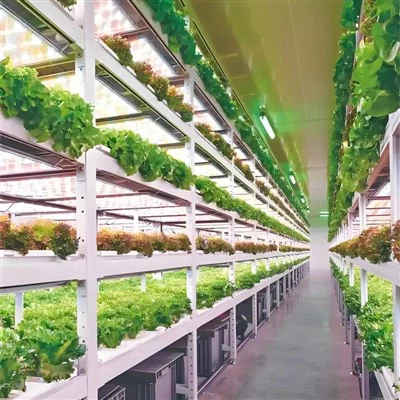

In the realm of modern agriculture, greenhouse cultivation has emerged as a revolutionary approach, offering a controlled environment that enables year - round crop production. As a seasoned greenhouse cultivation supplier, I understand the paramount importance of safety measures in this field. These safety protocols not only protect the crops but also safeguard the well - being of the workers and ensure the long - term viability of the greenhouse operation.
Structural Safety
The first line of defense in greenhouse cultivation is the structural integrity of the greenhouse itself. Greenhouses are often exposed to various environmental factors such as strong winds, heavy snow, and intense sunlight. Therefore, it is crucial to design and construct greenhouses that can withstand these forces.
When selecting materials for the greenhouse frame, high - quality steel or aluminum alloys are commonly used. These materials offer excellent strength and durability. For example, galvanized steel frames are resistant to corrosion, which is essential for long - term use in a humid greenhouse environment. The frame should be designed with proper bracing and anchoring to prevent it from collapsing under extreme weather conditions.
The glazing material of the greenhouse also plays a vital role in safety. Polycarbonate sheets are a popular choice due to their high impact resistance and light - diffusing properties. They can withstand hail and other impacts, protecting the crops inside. Additionally, the glazing should be properly installed and sealed to prevent water leakage, which can lead to structural damage and mold growth.
Environmental Control Safety
Maintaining a stable and safe environment inside the greenhouse is essential for crop growth. Temperature, humidity, and ventilation are key factors that need to be carefully regulated.
Temperature control is critical as extreme temperatures can stress the plants and reduce their yield. Heating systems, such as boilers or electric heaters, should be installed to keep the greenhouse warm during cold seasons. These systems should be regularly maintained to prevent malfunctions and ensure safe operation. On the other hand, during hot summer months, cooling systems like evaporative coolers or air conditioners can be used. However, proper ventilation is also necessary to remove excess heat and humidity.
Humidity levels should be kept within an optimal range. High humidity can promote the growth of fungi and diseases, while low humidity can cause plant dehydration. Humidifiers and dehumidifiers can be used to adjust the humidity as needed. Ventilation systems, such as exhaust fans and louvers, are also important for maintaining proper air circulation and reducing humidity.
Electrical Safety
Electrical systems in the greenhouse are used for lighting, heating, cooling, and other equipment. Electrical safety is of utmost importance to prevent fires and electrical shocks.
All electrical wiring should be installed by a qualified electrician and comply with local electrical codes. The wiring should be properly insulated and protected from moisture. Electrical outlets and switches should be located in dry areas and equipped with ground - fault circuit interrupters (GFCIs) to prevent electrical shocks.
Regular inspections of the electrical system are necessary to detect any signs of wear or damage. Faulty electrical equipment should be repaired or replaced immediately. Additionally, all electrical equipment should be properly grounded to prevent electrical hazards.
Chemical Safety
In greenhouse cultivation, various chemicals such as fertilizers, pesticides, and herbicides are used to promote plant growth and control pests and diseases. However, these chemicals can be hazardous if not handled properly.
When using chemicals, it is essential to follow the manufacturer's instructions carefully. Workers should wear appropriate personal protective equipment (PPE), such as gloves, masks, and goggles, to prevent exposure to chemicals. Chemicals should be stored in a secure and well - ventilated area, away from food and water sources.
Proper disposal of chemical containers and unused chemicals is also crucial. Empty containers should be rinsed thoroughly and disposed of according to local regulations. Unused chemicals should not be dumped in the environment but should be returned to the supplier or disposed of at a designated hazardous waste facility.
Equipment Safety
Greenhouses are equipped with a variety of equipment, such as irrigation systems, heating systems, and ventilation fans. Ensuring the safety of this equipment is essential for the smooth operation of the greenhouse.
Irrigation systems, for example, should be regularly inspected for leaks and blockages. The water pressure should be maintained at a safe level to prevent damage to the pipes and plants. Heating and cooling equipment should be serviced regularly to ensure efficient and safe operation.

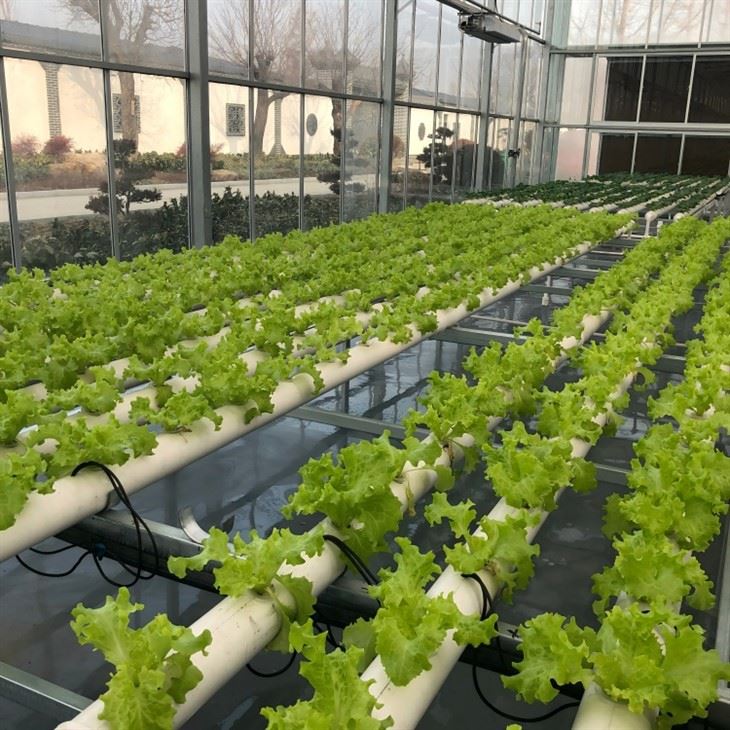
Ventilation fans should be properly installed and maintained to prevent accidents. The blades of the fans should be guarded to prevent workers from coming into contact with them. All equipment should be labeled with clear instructions for use and maintenance.
Worker Safety
The safety of the workers in the greenhouse is of the utmost importance. Workers should receive proper training on safety procedures and the use of equipment. They should be aware of the potential hazards in the greenhouse, such as chemical exposure, electrical hazards, and structural risks.
In addition to providing PPE, the greenhouse should have emergency exits and first - aid kits readily available. Workers should be trained on how to use the first - aid kits in case of an accident. Regular safety drills should be conducted to ensure that workers know how to respond in an emergency.
Advanced Safety Technologies
In recent years, advanced safety technologies have been developed to enhance the safety of greenhouse cultivation. For example, sensor systems can be used to monitor environmental parameters such as temperature, humidity, and carbon dioxide levels. These sensors can send alerts to the greenhouse operators if the conditions deviate from the optimal range.
Automated control systems can also be used to regulate the greenhouse environment. These systems can adjust the temperature, humidity, and ventilation based on the data collected by the sensors, reducing the risk of human error.
Product - Related Safety
As a greenhouse cultivation supplier, we offer a range of products that can enhance the safety and efficiency of greenhouse cultivation. For instance, the Ebb and Flow Seedbed is a popular choice for seedling production. It provides a controlled environment for the seeds, ensuring uniform germination and growth. The ebb and flow system allows for precise watering and nutrient delivery, reducing the risk of over - watering or nutrient deficiencies.
The Planting Trough Soilless Culture is another innovative product. Soilless culture systems eliminate the need for soil, reducing the risk of soil - borne diseases. The planting troughs are designed to provide optimal growing conditions for the plants, with proper drainage and aeration.
The Dutch Bucket Hydroponic System is a highly efficient hydroponic system. It allows for the cultivation of a wide range of crops in a controlled environment. The system provides precise control over the nutrient solution, ensuring that the plants receive the right amount of nutrients at the right time.
Conclusion
Safety is a critical aspect of greenhouse cultivation. By implementing comprehensive safety measures, we can protect the crops, the workers, and the environment. As a greenhouse cultivation supplier, we are committed to providing high - quality products and services that meet the safety requirements of our customers.
If you are interested in learning more about our greenhouse cultivation products or have any questions regarding safety measures, please feel free to contact us for a procurement discussion. We look forward to working with you to create a safe and productive greenhouse environment.
References
- Smith, J. (2018). Greenhouse Engineering and Management. Elsevier.
- Jones, A. (2020). Safety in Agricultural Greenhouses. Journal of Agricultural Safety and Health.
- Brown, R. (2019). Advanced Technologies in Greenhouse Cultivation. Springer.