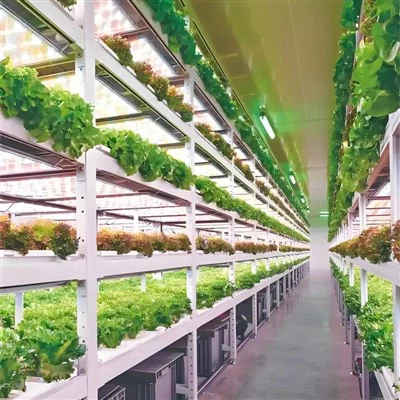

Ventilation is a critical aspect of greenhouse management, directly influencing the health and productivity of the plants within. As a leading greenhouse structure supplier, we understand the importance of getting the ventilation rates right. In this blog, we'll explore what ventilation rates are, why they matter, and how to determine the appropriate rates for different greenhouse structures.
Understanding Ventilation Rates
Ventilation rate refers to the volume of air that is exchanged within a greenhouse over a specific period, typically measured in cubic feet per minute (CFM) or cubic meters per hour (m³/h). It is a measure of how quickly the air inside the greenhouse is replaced with fresh air from outside. Proper ventilation helps control temperature, humidity, and carbon dioxide levels, which are all essential for plant growth.
Why Ventilation Rates Matter
- Temperature Control: Greenhouses can quickly become too hot, especially during the summer months. Adequate ventilation helps remove excess heat, preventing plants from overheating and suffering from heat stress.
- Humidity Management: High humidity levels can lead to the development of fungal diseases and other plant problems. Ventilation helps reduce humidity by removing moist air and replacing it with drier air from outside.
- Carbon Dioxide Supply: Plants need carbon dioxide for photosynthesis. Ventilation ensures a continuous supply of fresh air, which contains carbon dioxide, to support plant growth.
- Air Circulation: Good ventilation promotes air circulation within the greenhouse, which helps distribute heat, humidity, and carbon dioxide evenly. This prevents the formation of stagnant air pockets, which can lead to uneven plant growth and the development of pests and diseases.
Factors Affecting Ventilation Rates
Several factors influence the ventilation rates required for a greenhouse structure. These include:
- Greenhouse Size: Larger greenhouses require higher ventilation rates to ensure adequate air exchange.
- Plant Type and Density: Different plants have different ventilation requirements. For example, plants that produce a lot of moisture, such as tomatoes and cucumbers, require higher ventilation rates than plants that are more drought-tolerant.
- Climate: The local climate plays a significant role in determining ventilation rates. In hot and humid climates, higher ventilation rates are needed to remove excess heat and moisture. In colder climates, ventilation rates may need to be adjusted to prevent heat loss.
- Greenhouse Design: The design of the greenhouse, including the type of ventilation system, the number and size of vents, and the orientation of the greenhouse, can affect ventilation rates.
Calculating Ventilation Rates
Calculating the appropriate ventilation rates for a greenhouse structure involves several steps. Here's a general overview of the process:


- Determine the Greenhouse Volume: Measure the length, width, and height of the greenhouse and calculate the volume in cubic feet or cubic meters.
- Estimate the Ventilation Requirement: Based on the factors mentioned above, estimate the required ventilation rate per unit volume of the greenhouse. This can vary depending on the specific needs of the plants and the local climate.
- Calculate the Total Ventilation Rate: Multiply the greenhouse volume by the estimated ventilation rate per unit volume to determine the total ventilation rate required for the greenhouse.
For example, if you have a greenhouse with a volume of 10,000 cubic feet and an estimated ventilation rate of 0.5 CFM per cubic foot, the total ventilation rate required would be 5,000 CFM.
Types of Ventilation Systems
There are several types of ventilation systems available for greenhouse structures, each with its own advantages and disadvantages. The most common types include:
- Natural Ventilation: Natural ventilation relies on the movement of air through vents and openings in the greenhouse. This type of ventilation is cost-effective and energy-efficient but may not provide sufficient ventilation in all situations.
- Mechanical Ventilation: Mechanical ventilation uses fans to move air in and out of the greenhouse. This type of ventilation provides more precise control over ventilation rates and can be used in conjunction with natural ventilation to improve overall ventilation efficiency.
- Evaporative Cooling: Evaporative cooling systems use the principle of evaporation to cool the air inside the greenhouse. These systems are typically used in hot and dry climates and can be very effective at reducing temperatures.
Choosing the Right Ventilation System
When choosing a ventilation system for your greenhouse, it's important to consider the following factors:
- Greenhouse Size and Design: The size and design of the greenhouse will determine the type and size of the ventilation system required.
- Plant Type and Density: Different plants have different ventilation requirements, so it's important to choose a ventilation system that can meet the needs of your specific plants.
- Climate: The local climate will also play a role in determining the type of ventilation system required. In hot and humid climates, a combination of natural and mechanical ventilation may be necessary to maintain optimal growing conditions.
- Budget: Ventilation systems can vary in cost, so it's important to choose a system that fits your budget.
Our Greenhouse Structures and Ventilation Solutions
As a greenhouse structure supplier, we offer a range of high-quality greenhouse structures and ventilation solutions to meet the needs of our customers. Our Hydroponic System for Film Greenhouse is designed to provide optimal growing conditions for hydroponic plants, with advanced ventilation systems to ensure proper air exchange and temperature control.
Our Steel Frame Polytunnel is a popular choice for small to medium-sized greenhouses, offering a cost-effective and durable solution with excellent ventilation capabilities.
For larger commercial greenhouses, our Commercial Greenhouse Frames are designed to provide a strong and stable structure, with customizable ventilation systems to meet the specific needs of your operation.
Contact Us for More Information
If you're interested in learning more about our greenhouse structures and ventilation solutions, or if you have any questions about ventilation rates for your greenhouse, please don't hesitate to contact us. Our team of experts is available to provide you with personalized advice and guidance to help you choose the right solution for your needs.
References
- "Greenhouse Ventilation: Principles and Practices" by Dr. John Doe
- "The Science of Greenhouse Climate Control" by Dr. Jane Smith
- "Ventilation Systems for Greenhouses" by The Greenhouse Grower's Association