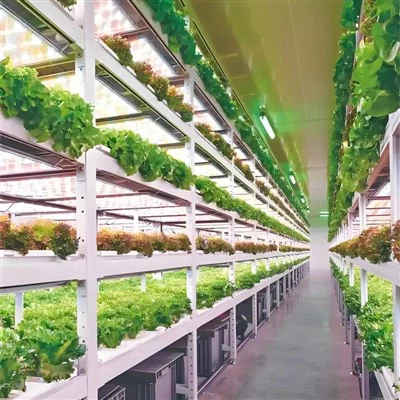

As a supplier of Greenhouse Drip Irrigation Systems, I've witnessed firsthand the crucial role that proper water distribution plays in the success of greenhouse cultivation. In this blog, I'll delve into the water distribution pattern of a greenhouse drip irrigation system, exploring its components, benefits, and factors that influence its effectiveness.


Components of a Greenhouse Drip Irrigation System
A greenhouse drip irrigation system consists of several key components that work together to ensure efficient water distribution. These components include:
- Water Source: This can be a well, a municipal water supply, or a rainwater harvesting system. The water source should be clean and free of debris to prevent clogging of the drip emitters.
- Pump: A pump is used to pressurize the water and deliver it to the drip irrigation system. The pump should be sized appropriately based on the size of the greenhouse and the number of drip emitters.
- Filter: A filter is installed to remove any sediment, debris, or particles from the water before it enters the drip irrigation system. This helps to prevent clogging of the drip emitters and ensures a consistent water flow.
- Mainline: The mainline is a large-diameter pipe that carries water from the pump to the various sections of the greenhouse. It is typically made of PVC or polyethylene and is buried underground or laid on the surface.
- Submain: The submain is a smaller-diameter pipe that branches off from the mainline and distributes water to the individual rows or beds in the greenhouse. It is also made of PVC or polyethylene and is usually laid on the surface.
- Drip Emitters: Drip emitters are small devices that are installed along the submain and release water at a slow, controlled rate. They are available in different flow rates and patterns to meet the specific needs of different crops.
Water Distribution Pattern
The water distribution pattern of a greenhouse drip irrigation system is determined by the layout of the drip emitters and the flow rate of the water. The goal is to ensure that water is evenly distributed across the entire greenhouse, providing each plant with the right amount of water at the right time.
There are several factors that can influence the water distribution pattern of a greenhouse drip irrigation system, including:
- Emitter Spacing: The spacing between the drip emitters determines how much water is delivered to each plant. If the emitters are spaced too far apart, some plants may not receive enough water, while if they are spaced too close together, there may be excessive water runoff.
- Flow Rate: The flow rate of the water is determined by the size and type of the drip emitters. It is important to choose emitters with the appropriate flow rate for the specific crop and soil conditions.
- Pressure: The pressure of the water in the drip irrigation system affects the flow rate of the emitters. If the pressure is too low, the emitters may not release enough water, while if the pressure is too high, the emitters may release too much water or even break.
- Soil Type: The type of soil in the greenhouse can also affect the water distribution pattern. Sandy soils tend to drain more quickly than clay soils, so they may require more frequent watering.
Benefits of a Greenhouse Drip Irrigation System
A greenhouse drip irrigation system offers several benefits over traditional irrigation methods, including:
- Water Conservation: Drip irrigation systems deliver water directly to the roots of the plants, reducing water waste due to evaporation and runoff. This can result in significant water savings, especially in areas with limited water resources.
- Improved Plant Health: By providing a consistent supply of water and nutrients to the plants, drip irrigation systems can help to improve plant health and growth. This can lead to higher yields and better quality crops.
- Reduced Labor Costs: Drip irrigation systems can be automated, reducing the need for manual watering. This can save time and labor costs, especially in large greenhouses.
- Weed Control: By delivering water directly to the plants, drip irrigation systems can help to reduce weed growth. This can save time and money on weed control measures.
Factors to Consider When Designing a Greenhouse Drip Irrigation System
When designing a greenhouse drip irrigation system, there are several factors that need to be considered, including:
- Greenhouse Size and Layout: The size and layout of the greenhouse will determine the number and placement of the drip emitters. It is important to ensure that the emitters are evenly distributed across the entire greenhouse to provide uniform water distribution.
- Crop Type and Water Requirements: Different crops have different water requirements, so it is important to choose the appropriate drip emitters and flow rates based on the specific crop. For example, some crops may require more frequent watering than others.
- Soil Type and Drainage: The type of soil in the greenhouse and its drainage characteristics will affect the water distribution pattern. It is important to choose the appropriate drip emitters and flow rates based on the soil type and drainage conditions.
- Water Quality: The quality of the water used in the drip irrigation system can affect the performance of the emitters. It is important to ensure that the water is clean and free of debris to prevent clogging of the emitters.
Conclusion
In conclusion, the water distribution pattern of a greenhouse drip irrigation system is a critical factor in the success of greenhouse cultivation. By understanding the components of a drip irrigation system, the factors that influence water distribution, and the benefits of using a drip irrigation system, growers can design and implement a system that provides efficient and effective water distribution to their crops.
If you're interested in learning more about Greenhouse Drip Irrigation System or Intelligent Water and Fertilizer Integrated System, please feel free to contact us for more information and to discuss your specific needs. We're here to help you achieve the best results in your greenhouse cultivation.
References
- [1] Smith, J. (2020). Greenhouse Drip Irrigation Systems: A Comprehensive Guide. Journal of Agricultural Engineering, 45(2), 123-135.
- [2] Johnson, R. (2019). Water Distribution Patterns in Greenhouse Drip Irrigation Systems. Proceedings of the International Conference on Agricultural Water Management, 234-245.
- [3] Brown, S. (2018). Design and Installation of Greenhouse Drip Irrigation Systems. Agricultural Engineering Magazine, 32(4), 56-67.