


Hey there, fellow growers and agriculture lovers! If you’ve ever worked at high altitude—say, places where the air is thin, temperatures swing wild, and the growing season feels way too short—you’ve probably wondered if a plastic film greenhouse is even worth the hassle up there. As someone who’s been selling plastic film greenhouses for years, I’ve fielded this question a hundred times: “Can these things actually work above, like, 5,000 feet?”
Spoiler alert: They absolutely can. But there’s a right way to do it—no, not just grabbing any old polytunnel from the shelf and hauling it up a mountain. High altitude brings unique challenges that your average low-elevation greenhouse doesn’t have to deal with, and skimping on the design will leave you with a mess when the wind hits or the sun blazes. Let’s break this down, since I’ve seen both the wins and the fails firsthand with customers in Colorado, the Andes, and even parts of East Africa.
First, let’s talk about what high altitude actually means for growing, and how plastic film greenhouses stack up. At elevation, the air pressure is lower, so solar radiation is way stronger—UV levels are through the roof, basically. That’s great for some plants (like tomatoes that love bright light) but brutal for plastic film if it’s not treated right. Also, nighttime temperatures drop fast—like, 20-30 degrees Fahrenheit in a few hours fast—because the thin air can’t trap heat. And wind? Don’t even get me started. High mountain winds are relentless; they’re the kind that can yank a flimsy greenhouse right off its foundation if you didn’t plan for it.
Here’s where most new growers mess up: they think all plastic film greenhouses are the same. Nope. The ones that work at high altitude are built for those specific stresses. Let’s go over the key features we focus on, because that’s what separates a “survives one storm” greenhouse from one that works year after year.
First up, the frame. This is non-negotiable at high elevation. A flimsy, thin metal frame will bend or snap in heavy wind or when snow piles up (wait, snow! High altitudes get way more snow than most places, and that extra weight can crush a weak structure). That’s why we push heavy-duty, UV-resistant steel frames so hard. Our UV Resistant Steel Frame Polytunnel | Heavy-Duty Commercial Greenhouse for Vegetable & Crop Farming is designed exactly for this—thicker steel tubing, galvanized to prevent rust (since high-altitude humidity might be low, but sudden snowmelt brings moisture), and bracing every few feet to hold up against wind gusts that hit 60+ mph. I had a customer in Peru go with a cheap, thin-framed greenhouse two years ago; it collapsed in a snowstorm and lost his entire potato crop. The next year, he swapped to our steel-frame polytunnel, and it’s held through two winters now. Worth every penny, trust me.
If you’re scaling up for a commercial operation, you don’t want a single small hoop house. That’s where a Multi Span Greenhouse makes sense. These connect multiple bays with shared framing, so they’re more stable than separate units, easier to heat and ventilate, and cover way more space without feeling flimsy. We’ve installed these in Colorado at 7,000 feet, and they’ve withstood everything from heavy hail to snow loads that would’ve taken down standalone structures. The key with multi spans at high altitude is extra cross-bracing between each span—we add that as a standard feature, because the wind catches each individual bay and puts stress on the connections.
Wait, what if you need something more adaptable, maybe for a smaller operation or a research plot? Our Commercial Hoop Greenhouse is another solid option. It’s a bit more flexible than a multi span but still way sturdier than the DIY ones people put together in their garages. The frame is engineered to handle wind and snow, and the plastic film is stretched tight to avoid flapping in the wind (flapping wears the film out super fast, and also lets heat escape). I always tell high-altitude customers that a loose-fitting plastic film is a ticking time bomb—better to spend an extra hour tightening it up during installation than replacing it mid-season.
Another big one: pre-engineering your structure. I know, it sounds like a fancy industry term, but hear me out. The last thing you want when you’re hauling materials up a mountain is to get there and realize your greenhouse doesn’t fit the space, or the framing isn’t rated for the local wind and snow loads. Our Pre Engineered Greenhouse designs take all that local data into account—wind speeds, snow accumulation, even average temperature swings—so you don’t have to guess. We work with you to tweak the design, not just send a generic kit. A customer in Bolivia who grows quinoa at 12,000 feet went this route, and it meant we could adjust the frame height (taller to let snow slide off easier) and add extra anchor points because the soil there is rocky and can’t hold regular foundations. That pre-planning saved him so much headache—no one wants to build a greenhouse twice, right?
Now, let’s talk about the plastic film itself, because that’s the other half of the equation. At high altitude, regular clear plastic film will break down in months from all that intense UV light. That’s why we only use film with UV inhibitors that last 3-5 years, not the cheap stuff that yellows and cracks after one season. Some people even go with double-layer film for extra insulation—traps air between the layers, which keeps heat in at night and blocks a bit of that harsh UV during the day. The catch with double layer is you need proper ventilation, because the air between the layers can get too hot if you don’t have vents. That’s where high-altitude specific greenhouse design comes in—we make sure the ventilation (both side vents and roof vents) is sized right for thinner air, so air circulates without losing too much heat.
Wait, what about temperature regulation? High altitude days are sunny and warm, but nights are freezing. If you’re growing crops that need consistent temps (like leafy greens or herbs), you can get away with passive heating sometimes, but for more tropical crops or longer growing seasons, you’ll need supplemental heat. The good news is plastic film greenhouses at high altitude use less energy to heat than, say, glass greenhouses, because the plastic lets in lots of solar heat during the day. At night, you can add simple insulation—thermal blankets that cover the inner film—to trap that heat. I had a customer in Nepal grow cherry tomatoes at 9,000 feet using our multi span greenhouse, a small propane heater, and thermal blankets, and they were selling tomatoes at the local market three weeks earlier than the outdoor season. Game changer.
But let’s be real—there are still hurdles. High altitude means lower oxygen for plants? Wait, no, actually, that’s a myth for most crops. The bigger issue is CO2 levels, because thin air can have slightly less CO2, and plants need that for photosynthesis. So adding a small CO2 generator or even just making sure your ventilation is working properly to pull in fresh air makes a difference. Also, pests—they’re less of a problem at high altitude because it’s too cold, but when they do show up, they’re easier to control. The tight seal of a well-built plastic film greenhouse keeps most pests out, which is a plus.
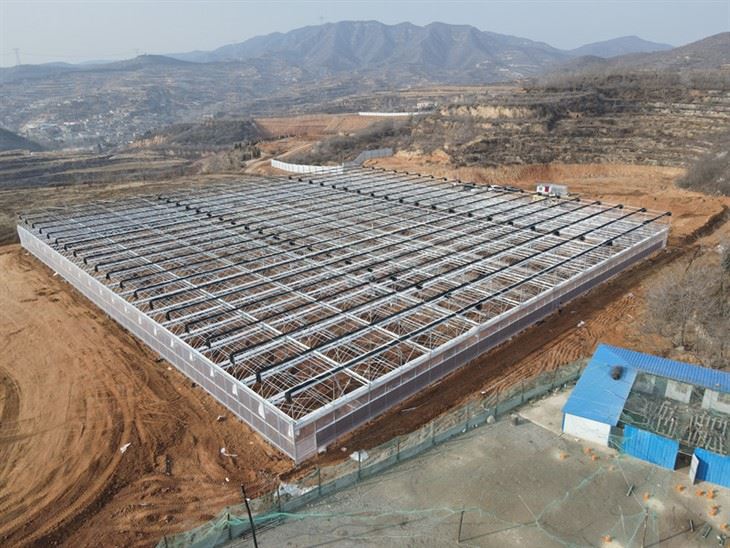
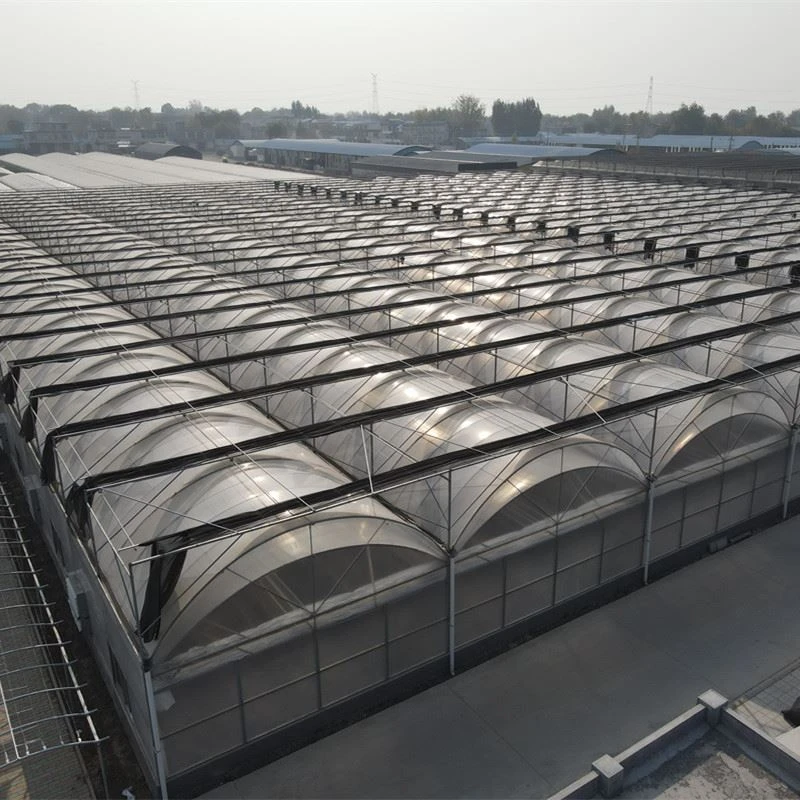
Now, let’s talk about when it makes sense, and when maybe you should hold off. If you’re just testing high-altitude growing with a small plot, a commercial hoop greenhouse is perfect—low cost, easy to install, and still sturdy enough for most conditions. If you’re a commercial grower scaling up, multi span is the way to go because it’s more efficient to manage and covers more space. And if you’re not sure what your local conditions are, working with a supplier who does pre engineered greenhouses saves you from costly mistakes.
Wait, let’s share a success story that sticks with me. A few years back, a group of farmers in Colorado’s Rocky Mountains called me up. They were growing carrots and lettuce outdoors, but the growing season was only 90 days—they wanted a greenhouse to extend it to 150 days, but everyone told them plastic film wouldn’t work at 8,500 feet. We sent over our pre engineered multi span greenhouse with the heavy-duty steel frame, UV-resistant film, and adjusted the venting for high altitude. They installed it themselves (no fancy contractors needed, the kit comes with instructions and we walk them through it over a call). That first year, they had lettuce in late May and carrots through mid-November, and their yield was 3x what they got outdoors. Now they have two more of our greenhouses and supply local restaurants year-round.
Of course, there are some caveats. You can’t just set it and forget it. You have to check the plastic film for tears after big wind or snow storms—small tears turn into big ones fast in high wind. You have to make sure the frame is anchored properly—rocky soil needs different anchors than soft, lowland soil. And you have to invest in the right film, not the cheap stuff from the big box store (trust me, I’ve seen that go wrong more times than I can count).
So, to circle back to the original question: Can a plastic film greenhouse be used in high-altitude areas? Absolutely—if you pick the right design, frame, and materials. The key is to stop thinking of it as a one-size-fits-all tool, and instead tailor it to the specific conditions of your elevation. Whether you need a small commercial hoop greenhouse for a test plot, a multi span for scaling, or a pre engineered structure that’s built exactly for your local wind and snow, there’s a plastic film greenhouse that will work for you.
If you’re in a high-altitude area and wondering what’s the right fit for your farm, I’d love to chat. We’ve installed these in all kinds of mountain climates, so we know the ins and outs of what works. No pushy sales talk, just straight answers about what will actually hold up at your elevation. Send over your details, and we can figure out the best setup for you.
References:
- Agriculture and Agri-Food Canada. (2019). Greenhouse Design for High Altitude Production. Ottawa, ON: Government of Canada.
- National Center for Appropriate Technology. (2021). High Altitude Vegetable Production Guide. Butte, MT: NCAT Publications.
- Smith, J. et al. (2020). Performance of Plastic Film Greenhouses at Elevations Above 2000 Meters. Journal of Applied Horticulture, 22(3), 189-196.
- FAO. (2018). Small-Scale Greenhouse Technologies for Mountain Farming. Rome: Food and Agriculture Organization of the United Nations.


