


If you’ve been around the agricultural tech space, you’ve probably heard soilless systems get tossed around a lot lately—and for good reason. Between water scarcity issues, shrinking farmland, and the pressure to grow more food with fewer resources, the old “dirt only” way of doing things just isn’t cutting it anymore. As someone who’s worked with substrate culture systems for years (I run a small, niche supply team focused exclusively on these setups), I get asked all the time: what exactly can these systems be used for beyond just the fancy hydroponic stuff you see on TikTok? Spoiler: their applications are way broader than you might think, and they’re not just for big commercial greenhouses—though they crush there too.
First, let’s make sure we’re on the same page about what a substrate culture system actually is, because I’ve seen people mix it up with NFT or Dutch buckets all the time. Put simply, it’s a soilless growing method where plants are anchored in a inert, porous medium (that’s the “substrate”) instead of soil. This medium holds water, nutrients, and oxygen for the roots, while a controlled delivery system feeds them consistently. Unlike pure water-based systems, the substrate gives roots something to grip, which reduces stress on plants and makes them hardier. If you want to dive deeper into the basics, you can check out our full breakdown of the substrate culture system here, but let’s jump into the real deal—where these systems actually work in farming today.
One of the most common (and most lucrative) uses is for high-value fruiting crops. Think tomatoes, peppers, cucumbers, even strawberries. I work with a bunch of small to mid-sized greenhouse growers across the U.S. and Europe, and nearly all of them switched to substrate culture for their tomatoes within the last 5 years. Here’s why: when tomatoes grow in soil, they’re prone to soil-borne diseases like fusarium wilt or verticillium, which can wipe out an entire crop in a season. With substrate culture, you’re starting with a sterile medium every time (we use things like coco coir, perlite, or rockwool, all of which are pH-balanced and disease-free), so that risk drops way down. Plus, you can tailor the nutrient mix exactly to what tomato plants need at each growth stage—more nitrogen when they’re growing leaves, more potassium when they’re setting fruit. One grower in Ohio told me they went from 8 lbs of tomatoes per square foot in soil to 14 lbs with substrate culture, and their fruit had 20% less blossom-end rot, which is a huge win for yield and quality. Strawberries are another perfect fit—they hate sitting in wet roots, and the porous substrate drains just enough to keep roots happy while preventing that rot. We’ve had a few clients swap from Dutch bucket hydroponic systems for strawberries because substrate culture is less fussy (no need to dump and refill buckets every week) and their berry size stayed consistent longer. If you’re curious about Dutch buckets, we can walk through that too, but for fruiting crops, substrate is hard to beat.
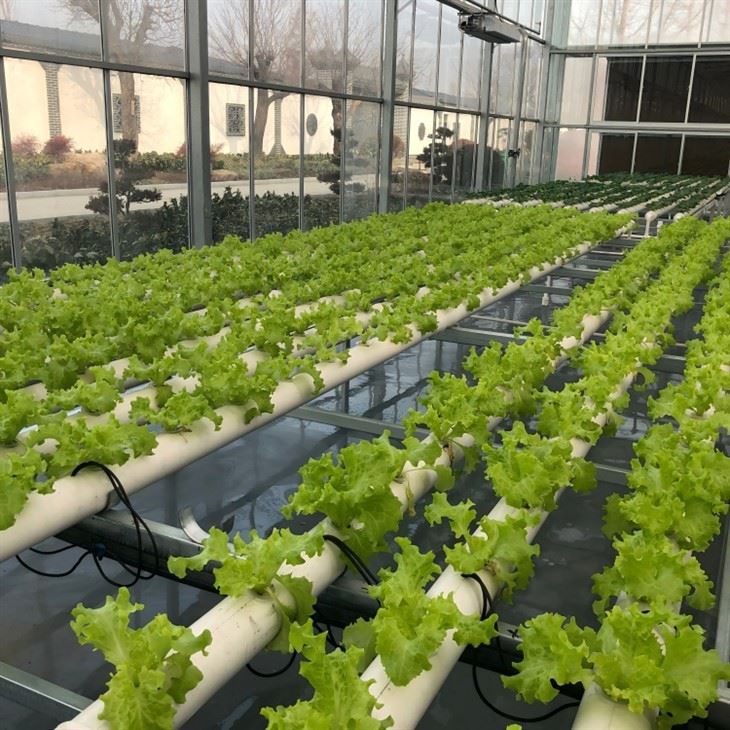
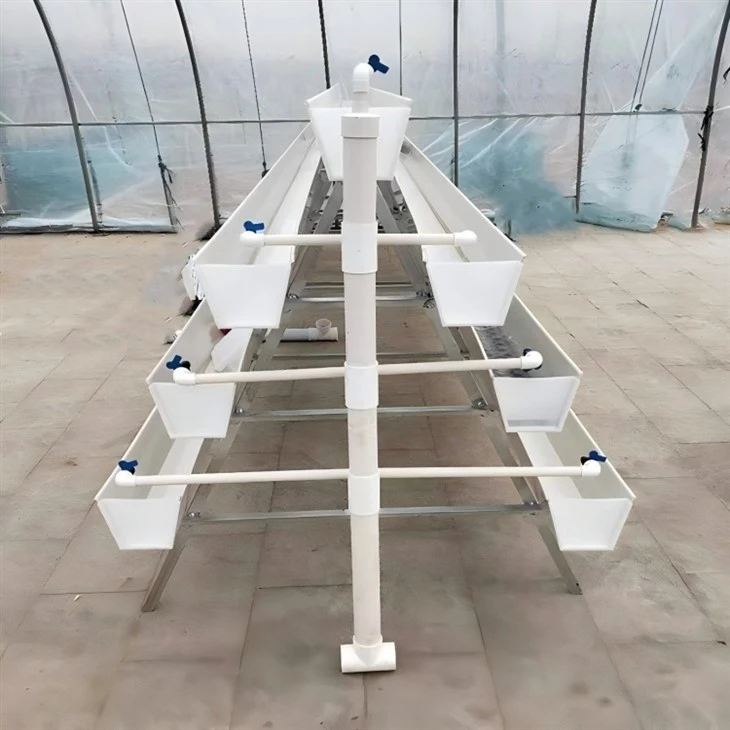
Next up: leafy greens and herbs, which most people associate with NFT systems, but substrate culture is a quiet underdog here. Wait, hear me out. NFT (Nutrient Film Technique) is great for small, fast-growing greens like lettuce or kale, but if you’re growing for 6+ months straight, those thin root lines in NFT can get overwhelmed by temperature spikes or nutrient imbalances. Substrate culture’s roots are protected inside the medium, so they’re more resilient. We have a commercial NFT hydroponic system for leafy greens that works awesome for quick turns, but for a herb grower who wants basil or mint year-round, substrate is the move. Basil, for example, loves consistent moisture but will sulk if it’s too soggy. A mix of coco coir and perlite gives it the perfect balance—holds enough water between nutrient feedings, but lets excess drain away so roots don’t get suffocated. One herb farm in the Netherlands switched from NFT to substrate for their basil and saw a 30% reduction in crop loss from root rot, because the substrate’s air pockets kept oxygen levels steady even on hot summer days when greenhouse temps climb. Also, substrate culture is way easier to scale for mixed herb beds—you can use our planting trough soilless culture setups, which let you plant different herbs in the same trough without cross-contamination (a big deal for basil and mint, which can spread roots if not contained). No more having to separate NFT channels every time you switch herbs—just fill the trough with a fresh substrate mix, and you’re good to go.
Then there’s the whole space-saving angle, which is a game-changer for urban and vertical farming. Wait, vertical farms don’t use substrate culture? Sure they do, though it’s not the first thing people think of. A lot of vertical farms rely on aeroponics or deep water culture, but those are energy-heavy—you need constant pumps, or misting systems that use a ton of electricity. Substrate culture is way more energy-efficient because the medium holds moisture, so you don’t have to feed nutrients as frequently. For urban farms operating in tight, rented spaces (like old warehouses in Brooklyn or Berlin), every square foot matters. We’ve had a client in Chicago use vertical racking with substrate culture troughs stacked 4 levels high—they grew microgreens, kale, and Swiss chard in that space, and their water usage was 70% less than a neighboring aeroponic farm. Why? Because the substrate retains water, so they only need to run their nutrient system 2 times a day instead of every hour. And since the plants are anchored, they don’t need the extra structural support that aeroponic systems need, which cuts down on setup costs too. It’s not just microgreens either—some vertical farms are using substrate for larger plants like cherry tomatoes, growing them in vertical modules that take up half the floor space of traditional horizontal rows. That’s huge for cities where land prices are through the roof.
Another underrated application: organic farming, which is trickier with soilless systems because a lot of hydroponic nutrients are synthetic. But substrate culture is flexible enough to work with organic inputs. You can use organic-approved substrates like coconut coir (which is just ground coconut husks, totally natural) or peat moss, and feed plants with organic liquid fertilizers like fish emulsion or seaweed extract. We have a few organic growers in California who use substrate culture for their heirloom tomatoes and peppers, and they’re certified organic—something that’s way harder to do with NFT or deep water culture, since those systems rely on soluble synthetic nutrients that are easier to regulate, but not allowed in organic certification. The substrate acts like a buffer, breaking down organic nutrients slowly so plants can absorb them without nutrient burn, and it also supports beneficial microbes that help with nutrient uptake—exactly what organic farmers want. One thing I love about this is that substrate culture doesn’t feel like “farming in a lab” like some hydro systems do; it feels more natural, which is a big draw for small-scale organic producers who don’t want to abandon their values just to boost yield.
Wait, let’s not forget specialty crops—things like cannabis, medicinal herbs, and even exotic fruits. This is where substrate culture really shines because it lets growers fine-tune every aspect of plant growth. For cannabis, for example, the medium’s pH level has a huge impact on potency and yield. With substrate culture, you can adjust the pH of your nutrient solution as it feeds the medium, so the roots are always in the ideal pH range (between 5.5 and 6.5, which is perfect for cannabis). A lot of indoor cannabis growers swear by substrate over hydro because it’s less prone to nutrient lockout—when a nutrient can’t be absorbed because the pH is off. We’ve had cannabis growers use our substrate systems and report more consistent terpene profiles, which is a big deal for quality and pricing. Even things like dragon fruit, which are epiphytes (they grow on trees, not in soil), do amazing in substrate culture. They need a porous medium that lets their aerial roots breathe, and a mix of orchid bark, perlite, and coco coir is exactly that. One grower in Florida started using substrate for dragon fruit after losing a whole crop to root rot in soil, and now they sell fresh dragon fruit to local restaurants year-round, which they couldn’t do with soil because of our humid summers.
Now, I know what you’re thinking: this sounds great, but is substrate culture actually better than traditional soil or other soilless systems? The short answer is: it depends on your crop, space, and goals, but it’s way more versatile than most people give it credit for. The key is that it balances the best of both worlds— the control and efficiency of hydroponics, with the root support and stability of soil. It uses way less water than soil farming (we’re talking 50-70% less, depending on the setup), which is critical in places like the southwestern U.S. or parts of Africa where water is scarce. It also reduces labor because you don’t have to till soil, pull weeds, or deal with soil-borne diseases as much. We’ve had growers cut their labor time by 25% once they switched to substrate culture, which is a huge savings for small operations.
But let’s be real—substrate culture isn’t perfect. It’s not the best for every crop, like fast-growing leafy greens that you harvest in 3 weeks (that’s where the commercial NFT hydroponic system is more efficient for quick turns). It also requires replacing the substrate every 1-2 growing cycles (though coco coir can be reused if you sanitize it properly, which is easy with a mild bleach solution or steam). And you have to monitor the moisture level of the medium, which is simple with a cheap moisture meter, but you can’t just set it and forget it like some aeroponic systems.
If you’re a grower who’s been tinkering with different systems and wants to test substrate culture for your operation, we’ve helped everything from 100 sq ft backyard setups to 10-acre commercial greenhouses get set up. Whether you’re growing tomatoes, basil, cannabis, or dragon fruit, we can walk you through what medium works best, what size troughs you need, and how to adjust your nutrient mix for your specific crop. No salesy pitches, just straight talk—we’ve been in this long enough to know that a setup that works for one grower might not work for the next, so we tailor everything to your needs.
If you’re ready to stop guessing and start growing more with fewer headaches, reach out to our team to chat about your specific project. We can share case studies from growers just like you, send over specs for our substrate culture system, or even help you design a layout that fits your space and budget. Don’t overcomplicate it—substrate culture isn’t just a trend, it’s a flexible, reliable way to grow more food, medicine, and specialty crops that works for all kinds of operations.
References
- Resh, H. M. (2020). Hydroponic Food Production: A Definitive Guide for the Home Gardener and the Commercial Hydroponic Grower (7th ed.). CRC Press.
- Savvas, D., & Passam, H. (2002). Hydroponic Culture. Kluwer Academic Publishers.
- Van Os, E. A., & Gude, H. (2019). Substrate culture in protected agriculture: A review. Agricultural Water Management, 212, 1-10.
- Urban Farming Institute. (2021). Energy Efficiency in Soilless Growing Systems for Urban Operations. Report from the International Urban Agriculture Conference.


