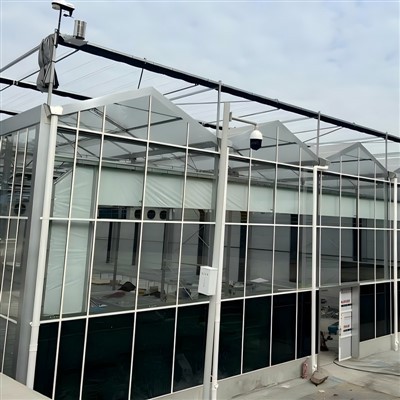

Hey there, fellow plant enthusiasts! As a supplier of greenhouse shading systems, I've seen firsthand how these systems can make a huge difference in plant growth, especially when it comes to root development. In this blog, I'll dive into how a greenhouse shading system affects the root development of plants in the greenhouse.
Let's start by understanding why root development is so crucial. Roots are like the foundation of a plant. They absorb water and nutrients from the soil, anchor the plant in place, and even store food. A healthy root system is essential for a plant to grow strong and produce a bountiful harvest.
Now, let's talk about how a greenhouse shading system comes into play. Greenhouses are great for creating a controlled environment for plants, but sometimes the sun can be too intense. That's where a shading system comes in handy. It helps regulate the amount of sunlight that reaches the plants, preventing them from getting overheated and stressed.
One of the main ways a shading system affects root development is by controlling the temperature inside the greenhouse. When the sun is shining brightly, the temperature can rise quickly, which can be harmful to the roots. High temperatures can cause the soil to dry out faster, making it difficult for the roots to absorb water. A shading system can block out a portion of the sunlight, reducing the temperature and keeping the soil moist. This creates a more favorable environment for root growth.
Another important factor is light intensity. Different plants have different light requirements, and too much light can be just as bad as too little. A shading system allows you to adjust the amount of light that reaches the plants, ensuring they get the right amount for optimal growth. When the light intensity is just right, the roots can function more efficiently, absorbing nutrients and water more effectively.
There are different types of greenhouse shading systems available, each with its own advantages. For example, the Greenhouse External Shading System is installed outside the greenhouse. It provides a high level of shading and can block a significant amount of sunlight before it even enters the greenhouse. This helps keep the temperature down and reduces the risk of heat stress on the plants.
On the other hand, the Greenhouse Internal Shading System is installed inside the greenhouse. It can be adjusted more easily to control the light levels inside the greenhouse. This is especially useful for plants that require different light intensities at different stages of growth.
The Automatic Greenhouse Shading System is a great option for those who want a hands - off approach. It can be programmed to open and close based on the time of day, light intensity, or temperature. This ensures that the plants always get the right amount of shade, even when you're not around.
When it comes to root development, the shading system can also affect the humidity levels inside the greenhouse. By reducing the sunlight and temperature, the shading system can help maintain a more stable humidity. Roots need a certain level of humidity to function properly. If the air is too dry, the roots can dry out, and if it's too humid, there's a risk of fungal diseases. A good shading system can help strike the right balance.
Let's look at some real - world examples. I've had customers who were growing tomatoes in their greenhouses. Before installing a shading system, they noticed that the plants were wilting during the hottest part of the day, and the root development seemed stunted. After installing an external shading system, the temperature inside the greenhouse dropped, and the soil stayed moist. The tomato plants started to thrive, and the roots grew stronger and healthier.
Another customer was growing orchids, which are very sensitive to light and temperature. They installed an internal shading system that they could adjust according to the orchid's needs. This allowed them to provide the perfect amount of light and shade, and the orchid roots started to grow more vigorously.
In addition to temperature, light, and humidity, a shading system can also protect the roots from harmful UV rays. UV rays can damage the root cells, affecting their ability to absorb nutrients and water. A good shading system can block a significant portion of the UV rays, protecting the roots and ensuring their healthy development.
Now, you might be wondering how to choose the right shading system for your greenhouse. It depends on several factors, such as the type of plants you're growing, the location of your greenhouse, and your budget. If you're growing plants that are very sensitive to light, an internal shading system might be a better option. If you live in a hot climate, an external shading system could be more effective at keeping the temperature down.
As a supplier, I'm here to help you make the right choice. We offer a wide range of greenhouse shading systems, and our team of experts can provide you with personalized advice based on your specific needs. Whether you're a small - scale hobbyist or a large - scale commercial grower, we have a solution for you.
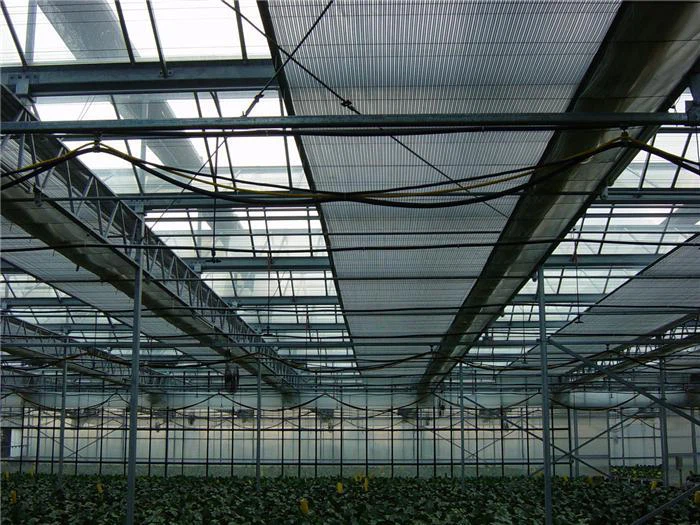

If you're interested in improving the root development of your plants and getting the most out of your greenhouse, I encourage you to consider investing in a high - quality shading system. Our products are designed to be durable, efficient, and easy to use. We're committed to providing you with the best products and services to help you achieve your gardening goals.
If you have any questions or want to learn more about our greenhouse shading systems, feel free to reach out. We're always happy to have a chat and discuss how we can help you create the perfect environment for your plants.
References:
- Smith, J. (2018). The Impact of Shading on Plant Growth in Greenhouses. Journal of Horticultural Science.
- Brown, A. (2020). Root Development in Greenhouse Plants: Factors and Solutions. Agricultural Research Review.