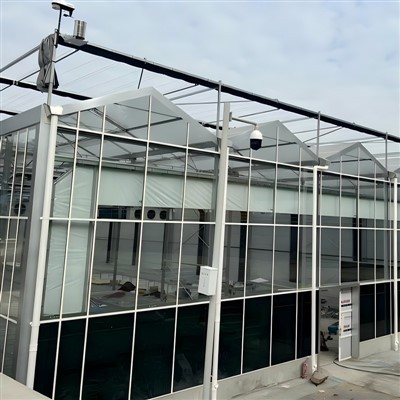

Hey there, fellow growers and greenhouse managers! If you’ve been weighing up whether to invest in a greenhouse shading system (you know, to beat that brutal summer sun and keep your crops happy), I’m here to break down the real cost-effectiveness bits—from the perspective of someone who’s been supplying these systems for years. I’ve heard it all: “Is it worth the upfront cash?” “Will it actually save me money long-term?” Let’s cut through the jargon and talk straight, no sales fluff.
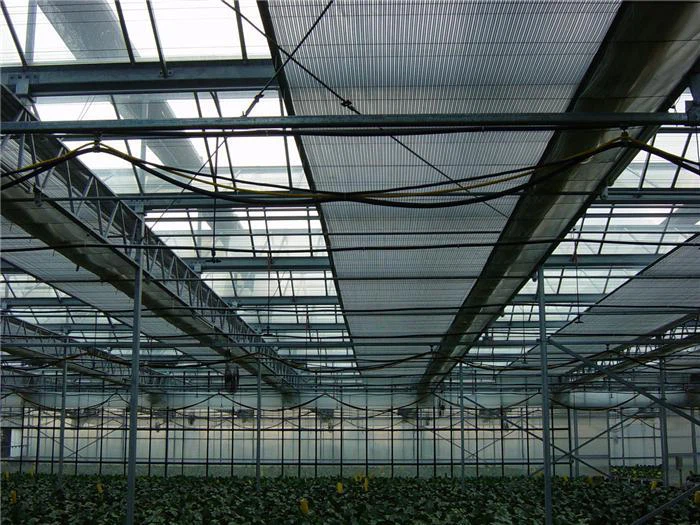
First off, let’s get one thing clear: not all shading systems are created equal. I’ve seen way too many growers mix up internal vs external setups, so let’s clarify that quick. An external shading system (link here: Greenhouse External Shading System) sits right on the outside of your greenhouse, blocking sun before it even hits the glass or polycarbonate. An internal one? That’s the one we specialize in—suspended just below the roof, between the glazing and your crop canopy. And hey, if you want to skip the manual work, check out our Automatic Greenhouse Shading System (link here: Automatic Greenhouse Shading System) which takes all the guesswork out of adjusting the shade as light levels shift. Today, though, we’re zeroing in on the internal kind—our bread and butter, the Greenhouse Internal Shading System (link here: Greenhouse Internal Shading System)—and what makes it cost-effective (or not, depending on the details).
Let’s start with the big one: upfront cost vs immediate value. When someone first reaches out to me, their first question is almost always, “How much does this cost, and when do I get my money back?” That’s the core of cost-effectiveness, right? It’s not just about the sticker price—it’s about the return on investment (ROI) down the line. With internal shading, the upfront cost is usually lower than external systems because you don’t have to build extra mounting structures on the outside of your greenhouse. No drilling into the roof, no adding extra frames to hold shade cloth up in the wind. That’s a win right there for small to medium growers who might be on a tighter budget. But wait, don’t go chasing the cheapest cloth you can find—here’s where cost-effectiveness gets tricky.
The material of the shade fabric is make-or-break for both cost and performance. I’ve seen growers buy super cheap shade cloth that frays after one season, tears in a mild wind, or lets too much light through. That means you’re replacing it every year, which adds up. We use fabrics that are UV-stabilized—they can handle 5-7 years of sun exposure without breaking down. Yeah, they cost a bit more upfront, but you’re not buying new cloth every spring. Also, the light transmission rate (LTR) matters. If you pick a shade cloth that blocks 80% of light when you only need 40%, you’re limiting your crop’s growth and wasting energy on heating (wait, heating? Shading helps with that too—more on that later). So matching the LTR to your specific crop is key for cost-effectiveness. For example, leafy greens like lettuce only need about 10% shade in peak summer, while tomatoes can handle up to 30%. Picking the right fabric means you’re not wasting light that your crops could use, and you’re not overspending on a heavy-duty cloth you don’t need.
Next up: energy savings, and this is where internal shading really shines. Let’s talk about two types of energy—cooling in summer and heating in winter. In summer, when the sun is blaring through your greenhouse roof, that heat builds up fast. Without shading, you’re running your exhaust fans and evaporative cooling systems non-stop, which uses a ton of electricity. Studies show that internal shading can cut cooling loads by 30-50% because the fabric absorbs and reflects some of that heat before it reaches your crop canopy. Wait, but since it’s inside, does that mean it’s holding heat in? No—wait, no, let’s get that straight. The air gap between the shade cloth and the roof actually acts as an insulator in winter! Oh right! In cold months, that gap traps warm air from your heating system near the crops, so you use less gas or electricity to keep temps steady. I’ve had a tomato grower tell me they cut their winter heating bills by 25% after installing our internal system. That’s not chump change—especially for someone who’s heating a 10,000 sq ft greenhouse.
Now, crop yield and quality—this is the hidden cost-saver that most growers overlook. If your crops get too much sun, they get sunscald, their growth slows down, and they’re more prone to stress and disease. For example, bell peppers with sunscald are unsellable—you’re throwing away product that you spent weeks growing. A good internal shading system keeps light levels consistent, so your crops grow evenly, have better color, and higher marketable yield. I worked with a herb grower last year who was losing 15% of their basil to sun damage before switching to our system. After six months, that loss dropped to 3%, and their yield per square foot went up by 12%. Let’s do the math: if you’re selling basil for $5 a bunch, growing 1,000 bunches a week, that’s $5,000 a week. A 12% increase is $600 extra a week—way more than the monthly payment on the shading system. Also, consistent light means you can have a more predictable growing schedule, which helps with marketing and planning—no more scrambling to explain why your crop is small because of a heatwave.
Maintenance is another big cost factor that people don’t think about at first. Internal shading systems are inside, so they’re protected from wind, rain, and debris, which means less wear and tear than external systems. External shade cloth gets pelted with hail, battered by high winds, and covered in dirt from the outside—you have to clean it regularly and repair tears all the time. Internal systems? They’re sheltered, so the maintenance is minimal. Most of our customers only need to wipe down the fabric once a year to remove dust, and the motorized parts (if you go automatic) barely need any upkeep. Compare that to an external system where you might have to replace straps, repair mounting frames, or clean the cloth every few months. That’s less labor, which is a huge cost for growers—labor costs can make up 30-40% of your overall expenses, so saving time on maintenance is like getting a pay raise without working extra.
Wait, let’s talk about automatic vs manual systems too, because that ties into cost-effectiveness. A lot of growers go with manual internal shading because it’s cheaper upfront, but think about the labor time. If you have to roll the shade up and down every day, that’s an hour or two a week, maybe more if you have a large greenhouse. Multiply that by $15 an hour (minimum wage for agricultural labor, more in some areas), and that’s $780 a year for a 10,000 sq ft greenhouse. An automatic system might cost $2,000 more upfront, but it adjusts based on light levels, time of day, or even temperature—no labor needed. The ROI there is about 2-3 years, and then you’re saving that labor money every year after that. Also, manual systems mean you might forget to adjust the shade on a super sunny day, leading to crop stress—so automatic isn’t just a labor saver, it’s a crop saver too.
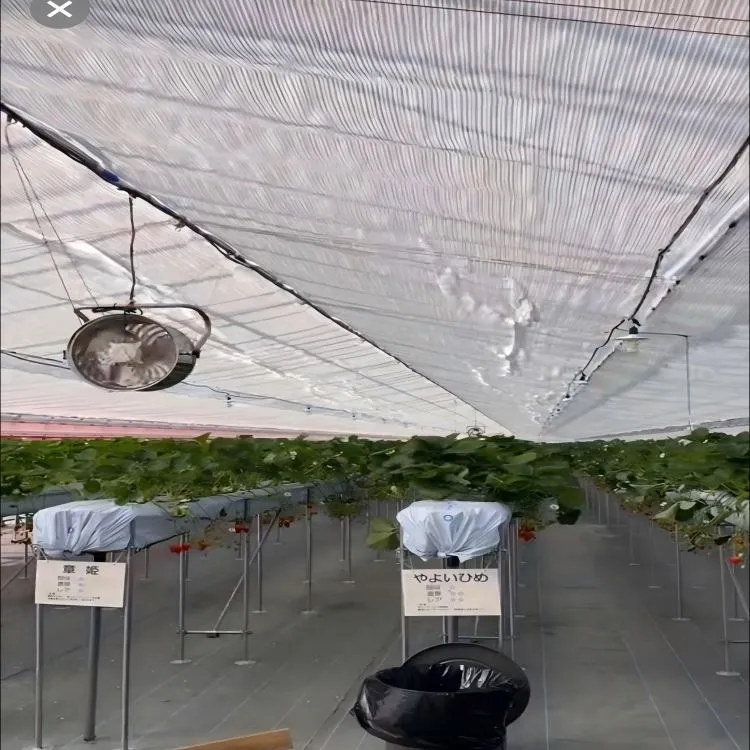
But hold on—there are times when internal shading isn’t the most cost-effective choice. If you have a greenhouse in an area with super strong, frequent wind, external shading might be better because it’s not putting extra weight on your roof structure. Or if you’re growing crops that need full sun all day, even in summer (like citrus or some types of flowers), shading might actually hurt your yield—so you don’t need to install it at all. The key is to match the system to your specific situation: your crop type, your local climate, the size of your greenhouse, and your budget. That’s why we always start with a quick consult with growers—we don’t just push a system, we figure out what works for them.
Let’s do a real-world example to make this concrete. Take a small commercial greenhouse (5,000 sq ft) growing cucumbers. Here’s the breakdown: Upfront cost for our internal shading system (manual) is around $4,500. Energy savings: Summer cooling is cut by 40%, so that’s $150 a month in electricity. Winter heating is cut by 20%, so another $100 a month in gas. Crop yield: They were losing 10% of cucumbers to sunscald, now that’s 2%—so that’s an extra $300 a month in sales. Total monthly savings: $550. Wait, that’s $6,600 a year! That means the upfront cost is paid back in about 8 months. And that’s with a manual system—if they go automatic, adding $2,000 to upfront cost, they still pay back in under a year, and then save the labor money too. I’ve seen similar numbers for other crops—leafy greens, tomatoes, herbs—because the energy and yield savings are consistent.
Another thing to consider: resale value? Wait, no, not really—greenhouses are usually used for the long haul, but here’s a small plus: a good shading system is a selling point if you ever decide to expand or sell your operation. But more importantly, insurance? Some insurance companies offer discounts for systems that protect crops from sun damage and extreme temperatures, because you’re less likely to lose crops to heat-related issues. That’s a small extra cost-saver, but every bit helps.
Now, let’s talk about common mistakes growers make that hurt the cost-effectiveness of their internal shading. First, buying a system that’s too small for their greenhouse—if the shade cloth doesn’t cover the entire canopy, you still have areas of sun damage, so you don’t get the full savings. Second, picking the wrong LTR: too much shade slows growth, too little doesn’t help enough. Third, not maintaining it—even UV-stabilized cloth will break down faster if you don’t clean it, or if the motor is dirty. Fourth, using low-quality mounting parts—cheap hooks or rails can break, leading to torn cloth, which means you have to replace it early. We always use heavy-duty aluminum rails and stainless steel hardware because they don’t rust or break easily, so that’s a small upfront extra that saves you from big repair bills later.
So, to wrap this up, the cost-effectiveness of a greenhouse internal shading system boils down to a few key factors: upfront cost vs quality of materials, energy savings on cooling and heating, improved crop yield and reduced waste, low maintenance labor, and matching the system to your specific crops and climate. It’s not a one-size-fits-all, but for most growers, it’s one of the best investments you can make for your operation—way better than cutting corners on cloth or skipping the system entirely.
If you’re curious to see what an internal system can do for your greenhouse, or if you want to compare to other options like the external or automatic ones I mentioned earlier, feel free to reach out. We don’t pressure anyone—we just give honest advice based on what we’ve seen work for hundreds of growers over the years. Whether you’re a small hobby grower or a large commercial operation, we can help you find a system that fits your budget and your needs.
References:
- Agricultural and Biosystems Engineering Department, Iowa State University. (2021). Energy Savings from Greenhouse Shading Systems. Journal of Applied Horticulture, 23(2), 112-118.
- National Greenhouse Manufacturers Association. (2022). Cost-Benefit Analysis of Internal vs. External Shading Systems for Commercial Greenhouses. NGMA Technical Bulletin No. 07-22.
- European Plant Science Organization. (2020). Crop Yield Quality Improvements from Regulated Shading in Protected Agriculture. E-Presentation Series, Vol. 15.
- US Department of Agriculture. (2021). Reducing Post-Harvest Losses in High-Value Specialty Crops: The Role of Environmental Control Systems. USDA Agricultural Research Service Report ARS-18-04.