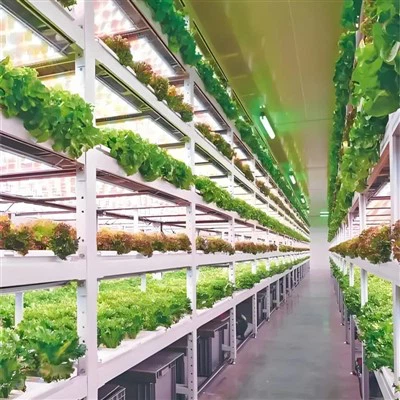

If you’ve ever wandered the aisles of a local farmers’ market and spotted plump, sun-ripened tomatoes that taste like summer in every bite, you might have wondered if you can grow the same (or even better) crop in a controlled, space-saving setup. As someone who’s spent years designing and supplying Planting Trough Soilless Culture systems, one question I get asked most often is: Can I grow tomatoes in planting trough soilless culture? The short answer is a resounding yes—but it’s not just about shoving a seedling into a trough and crossing your fingers. Tomatoes are finicky, heavy-feeding plants with specific needs, and soilless culture via planting troughs is uniquely suited to meet those needs when done right. Let’s break down the science, the practical tips, and why our planting trough systems are a game-changer for tomato growers, whether you’re a small-scale hobbyist or a commercial producer.
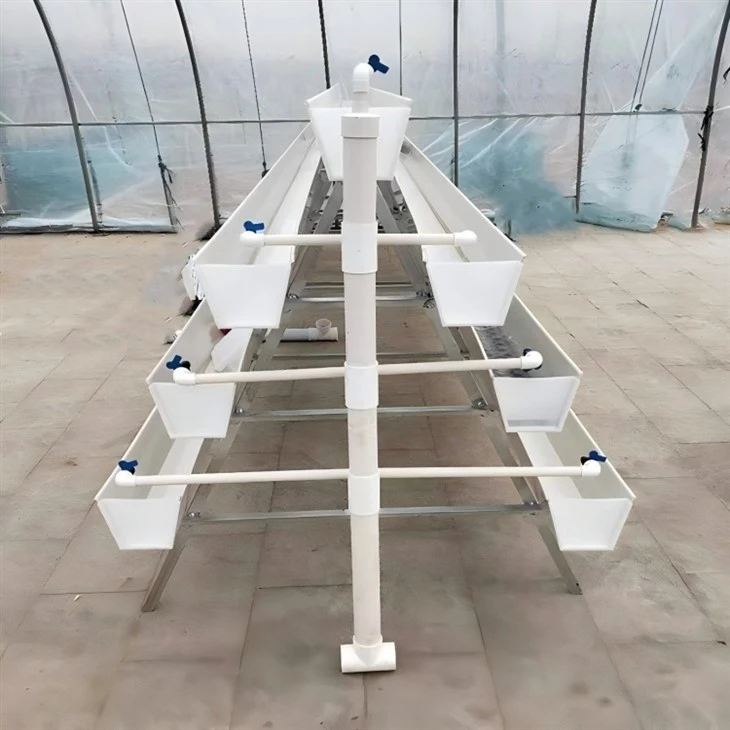
First, let’s quickly recap what planting trough soilless culture is, for anyone new to the space. Unlike traditional soil gardening, where roots spread through earth searching for nutrients and water, soilless culture uses a growing medium (or in some cases, no medium at all) delivered directly to roots via a carefully calibrated system. Planting troughs are long, narrow, modular channels that hold the growing medium, support the root system, and deliver nutrient-rich water (a nutrient solution) in a consistent, controlled way. They fall into the broader category of soilless growing systems, which include setups like the Commercial NFT Hydroponic System (best for shallow-rooted leafy greens like lettuce or herbs) and Substrate Culture System (which uses solid mediums like coco coir or perlite, popular for fruiting crops). For tomatoes, though, planting troughs strike a perfect balance that neither NFT nor substrate systems match alone.
Tomatoes are deep-rooted, vigorous growers. A single indeterminate tomato plant (the kind that grows nonstop all season, producing fruit until frost) can develop a root system that spreads 2 to 3 feet deep and wide in soil. In a planting trough, we design our systems with enough vertical and horizontal space—our standard commercial troughs are 4 feet long and 6 inches deep, with optional extensions up to 10 feet—to accommodate that root growth without crowding. Crowded roots are a top mistake new tomato growers make in soilless setups; restricted roots lead to stunted growth, smaller fruit, and increased risk of root rot. Unlike NFT systems, which keep roots in a thin, constant film of nutrient solution, planting troughs allow for a slightly drier root zone between nutrient deliveries, which is critical for tomatoes. Too much water around roots drowns them—tomato roots need oxygen, and a periodic "dry" period lets oxygen circulate, preventing fungal diseases like pythium and fusarium that thrive in waterlogged roots. That’s why planting troughs are far more reliable for tomatoes than NFT, which works great for shallow-rooted, high-moisture-loving crops like basil or spinach, but not for heavy, fruit-producing plants.
Another key benefit of planting trough soilless culture for tomatoes is nutrient control. Tomatoes are heavy feeders, especially when fruiting. The two most important nutrients for tomato growth are nitrogen (for leaves and stems early on) and potassium (for fruit development and disease resistance later), plus a steady supply of phosphorus for root growth. In traditional soil, nutrients can be locked up by pH imbalances or washed away by heavy rain. In our planting trough systems, we deliver a recirculating nutrient solution that’s tested and adjusted daily to match the tomato’s growth stage. For example, when plants are in the vegetative stage (growing leaves and stems), we crank up nitrogen levels slightly—around 150-200 ppm (parts per million) of nitrogen is ideal. Once the first fruit cluster sets, we switch to a higher potassium solution, often around 200-250 ppm potassium, to encourage plump, sweet fruit. This level of precision is impossible in a garden bed and far more consistent than even well-managed substrate systems, where nutrients can accumulate unevenly in the growing medium.
Now, let’s talk about the growing medium inside the planting trough—this is make-or-break for tomatoes. Even in a soilless system, the medium acts as an anchor for roots and helps regulate moisture and oxygen. We recommend a loose, well-draining medium that holds just enough water without becoming compacted. Coco coir (coconut fiber) is our top pick for tomato planting troughs; it’s pH-neutral, retains moisture well, and has enough air pockets to prevent root rot. It’s also renewable, which is a big plus for eco-conscious growers. Perlite or vermiculite can be mixed in to adjust drainage: 70% coco coir + 30% perlite works perfectly for tomatoes. Avoid heavy mediums like straight peat moss, which compacts over time and restricts root growth. One mistake we see all too often is growers using too much medium in the trough, which traps excess water—fill the trough only ¾ full, leaving enough space for the root system to expand and for you to add mulch later if you want (mulch helps retain moisture and prevent weeds, even in soilless setups).
When it comes to spacing tomato plants in planting troughs, don’t overcrowd. Indeterminate tomato plants need at least 18 inches of space between each plant in the trough, while determinate varieties (which grow to a set height and fruit all at once) can be spaced 12 inches apart. This gives each plant enough room to grow vines, support fruit clusters, and allows air to circulate around the leaves—poor air flow is a leading cause of tomato blight, a fungal disease that can wipe out a whole crop in weeks. Many growers who use our planting trough systems also add trellising supports right along the trough—small clips that hook over the trough edge to hold the tomato vine upright as it grows. This saves space, prevents fruit from touching the ground (which reduces rot), and makes harvesting easier.
Wait a second—what about other soilless systems that people use for tomatoes, like the Dutch Bucket Hydroponic System? Dutch buckets are great for small numbers of plants, but for commercial growers or anyone looking to scale, planting troughs are far more efficient. Dutch buckets are individual units, so they require separate pumps and nutrient lines for each bucket, which increases setup and maintenance time. Planting troughs are modular, so you can connect 10, 20, or 100 troughs together with a single nutrient line, cutting down on plumbing work and energy costs. For hobbyists, though, planting troughs are also perfect—our smaller residential trough kits fit on a patio or balcony, so you can grow tomatoes even if you don’t have a large yard.
The biggest question new tomato growers have is about yield: Will I get as much fruit from a planting trough system as I would from soil? In most cases, you’ll get more. Because soilless culture lets you control every variable—nutrients, water, light, temperature—tomatoes grow faster, produce more fruit, and have fewer pest and disease issues. We’ve had commercial growers using our planting trough systems report yields of 25-30 pounds of tomatoes per plant, compared to 15-20 pounds in traditional soil gardens. That’s a huge difference, especially if you’re growing for sale or want to stock your fridge all summer.

Of course, it’s not all smooth sailing. There are a few common pitfalls to avoid when growing tomatoes in planting trough soilless culture. First, pH imbalances. Tomato plants prefer a pH between 5.8 and 6.5. If the pH is too high (alkaline), nutrients like iron and manganese become unavailable, leading to yellow leaves. If it’s too low (acidic), you can get toxic levels of nutrients like nitrogen or potassium. We recommend testing the nutrient solution pH every 2-3 days with a simple meter—this takes 30 seconds and will save you from a ruined crop. Second, temperature. Tomato roots thrive at 65-75°F (18-24°C). If the nutrient solution gets too warm (above 80°F/27°C), roots can become stressed, leading to stunted growth and blossom-end rot (that black, sunken spot on the bottom of tomatoes). In greenhouses, we add chillers to our planting trough systems in summer; for patio growers, placing the troughs in partial shade during the hottest part of the day helps keep root temperatures down. Third, pest management. Even in soilless systems, pests like aphids and whiteflies can find their way to tomato plants. We recommend using natural predators like ladybugs instead of harsh pesticides, which is easy in a controlled trough setup.
Now, let’s talk about why our Planting Trough Soilless Culture systems are designed specifically for tomatoes, not just generic soilless setups. Our troughs have reinforced edges to support trellises, sloped bottoms that let excess nutrient solution drain properly (preventing standing water), and modular connections that make expanding your setup a breeze. We also include a step-by-step guide for tomato cultivation, tailored to different varieties, so whether you’re growing cherry tomatoes or beefsteak tomatoes, you’ll know exactly how to adjust your nutrient solution and spacing. For commercial clients, we can even customize trough sizes to fit your greenhouse layout, with integrated pumps and sensors that automate nutrient delivery, so you can focus on harvesting, not tweaking settings.
I’ll be honest—when I first started in this industry 15 years ago, many experts thought tomatoes were too high-maintenance for soilless culture. But after testing dozens of setups, I found that planting troughs hit the sweet spot: they give tomatoes the deep root space they need, the consistent nutrient delivery, and the oxygen they can’t survive without. I’ve seen hobbyists go from killing tomato plants year after year to harvesting 50+ pounds of fruit from a single residential trough setup. I’ve seen commercial growers increase their tomato yields by 40% after switching from soil to our planting trough systems. It’s not magic—it’s science, and it’s tailored to what tomatoes actually need.
If you’re still on the fence, think about this: soilless culture with planting troughs lets you grow tomatoes anywhere. You don’t need a backyard—just a patio, a balcony, a rooftop, or even an indoor grow room with LED lights. You use 90% less water than traditional soil gardening, because the nutrient solution is recirculated, not lost to evaporation or runoff. No more weeding, no more tilling, no more dealing with soil-borne diseases. That’s the beauty of planting trough soilless culture for tomatoes: it’s efficient, productive, and accessible for every type of grower.
Whether you’re a hobbyist looking to grow better tomatoes at home, a small-scale farmer wanting to increase your yield, or a commercial producer ready to scale, our planting trough systems are built to support your tomato crop. If you have more questions, or you’re ready to discuss your specific needs—whether that’s a residential kit, a commercial greenhouse setup, or customization for your operation—we’re here to help.
References
- Resh, H. M. (2019). Hydroponic Food Production: A Definitive Guide for the Home Gardener and Commercial Producer. CRC Press.
- European Food Safety Authority. (2021). Nutrient Requirements of Solanaceous Crops (Tomatoes, Peppers, Eggplants) in Soilless Culture. EFSA Journal, 19(10), 6542.
- Zhang, Y., et al. (2020). Root Environment Regulation in Soilless Culture for High-Yield Tomato Production. Scientia Horticulturae, 270, 109458.
- American Society for Horticultural Science. (2018). Best Practices for Soilless Culture of Fruiting Vegetables. HortScience, 53(11), 1522-1528.