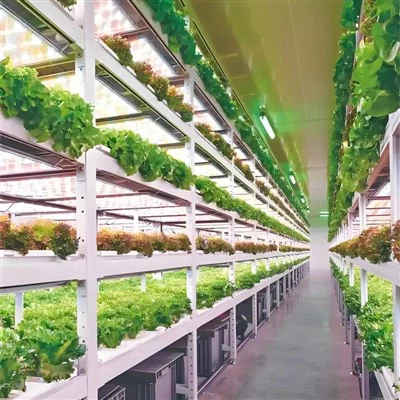

In regions with high solar radiation, maintaining an optimal environment within a greenhouse is crucial for the successful cultivation of plants. A greenhouse internal shading system plays a vital role in this process. As a supplier of Greenhouse Internal Shading Systems, I have witnessed firsthand the effectiveness and importance of these systems in various high - solar - radiation areas.
Understanding High Solar Radiation in Greenhouse Environments
High solar radiation can bring both benefits and challenges to greenhouse operations. On one hand, sunlight is the primary energy source for photosynthesis, which is essential for plant growth. However, excessive solar radiation can lead to several problems. It can cause overheating inside the greenhouse, resulting in high temperatures that may damage plants. High light intensity can also lead to photoinhibition, where the rate of photosynthesis decreases due to an over - supply of light energy. Additionally, strong sunlight can cause rapid evaporation of water from the soil and plant surfaces, leading to water stress in plants.
How a Greenhouse Internal Shading System Works
A greenhouse internal shading system is designed to control the amount of sunlight entering the greenhouse. It consists of shading materials, a control mechanism, and a support structure.
Shading Materials
The shading materials used in internal shading systems are carefully selected based on their light - blocking properties and durability. These materials can be made of different substances, such as woven fabrics or non - woven polymers. The shading coefficient of the material determines how much light is blocked. For example, a material with a shading coefficient of 70% will block 70% of the incoming sunlight.
The choice of shading material also depends on the specific needs of the plants being grown. Some plants require more sunlight, while others thrive in lower light conditions. For instance, shade - loving plants like ferns may need a higher shading coefficient material, while sun - loving plants like tomatoes may require a lower shading coefficient.
Control Mechanism
The control mechanism of a greenhouse internal shading system is what allows for precise regulation of the shading. There are two main types of control: manual and automatic.
Manual control systems are simple and cost - effective. They involve the use of ropes or pulleys to open and close the shading material. However, this method requires human intervention, which can be time - consuming and may not provide real - time adjustments.
On the other hand, Automatic Greenhouse Shading System offers more convenience and accuracy. These systems use sensors to measure environmental factors such as light intensity, temperature, and humidity. Based on the pre - set parameters, the system automatically adjusts the position of the shading material. For example, when the light intensity exceeds a certain level, the system will close the shading material to reduce the amount of sunlight entering the greenhouse.
Support Structure
The support structure of the internal shading system provides a framework for the shading material. It is usually made of metal or plastic and is designed to be strong enough to support the weight of the shading material. The support structure also allows for easy installation and movement of the shading material.
Advantages of Greenhouse Internal Shading Systems in High - Solar - Radiation Areas
Temperature Regulation
One of the main advantages of an internal shading system is its ability to regulate the temperature inside the greenhouse. By blocking a portion of the sunlight, the system reduces the amount of heat entering the greenhouse. This helps to prevent overheating and maintains a more stable temperature for plant growth. In high - solar - radiation areas, where temperatures can soar during the day, an internal shading system can significantly reduce the need for cooling systems, such as fans and evaporative coolers.
Light Control
Internal shading systems also provide precise control over the light intensity inside the greenhouse. This is important because different plants have different light requirements. By adjusting the shading material, growers can ensure that their plants receive the optimal amount of light for photosynthesis. For example, during the peak hours of sunlight, the shading material can be closed to reduce the light intensity, while during the early morning or late afternoon, it can be opened to allow more sunlight in.
Energy Savings
Using an internal shading system can lead to significant energy savings. As mentioned earlier, by reducing the need for cooling systems, the energy consumption of the greenhouse is decreased. Additionally, some shading materials have insulating properties, which can help to reduce heat loss during the night, further reducing the energy required for heating.
Comparison with Greenhouse External Shading Systems
While Greenhouse External Shading System also plays a role in controlling sunlight and temperature, there are some differences between external and internal shading systems.
External shading systems are installed outside the greenhouse. They can block sunlight before it enters the greenhouse, which can be more effective in reducing the overall heat load. However, they are more exposed to the elements, such as wind, rain, and UV radiation, which can cause damage to the shading material over time.

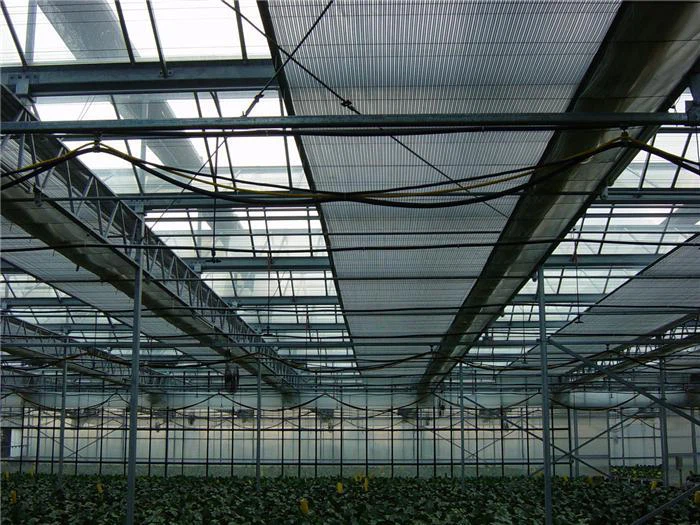
Internal shading systems, on the other hand, are protected from the external environment. They are also more flexible in terms of light control, as they can be adjusted according to the specific needs of different areas inside the greenhouse. Additionally, internal shading systems can be used in combination with other climate control systems, such as heating and cooling systems, to provide a more comprehensive solution for greenhouse environment management.
Case Studies in High - Solar - Radiation Areas
In many high - solar - radiation areas around the world, greenhouse internal shading systems have been successfully implemented. For example, in the deserts of the southwestern United States, where solar radiation is extremely high, growers have installed internal shading systems in their greenhouses. These systems have helped to maintain a stable temperature and light intensity, allowing for the successful cultivation of a variety of crops, including tomatoes, cucumbers, and peppers.
In the Mediterranean region, where summers are hot and sunny, internal shading systems have also been widely used. Growers have reported increased yields and improved quality of their crops, as the systems have provided a more favorable environment for plant growth.
Conclusion and Call to Action
As a supplier of Greenhouse Internal Shading System, I understand the importance of providing high - quality shading solutions for greenhouses in high - solar - radiation areas. Our systems are designed to be reliable, efficient, and easy to use. Whether you are a small - scale grower or a large - scale commercial operation, our internal shading systems can help you to create an optimal environment for your plants.
If you are interested in learning more about our greenhouse internal shading systems or would like to discuss your specific needs, please feel free to contact us. We are ready to provide you with detailed information and support to help you make the best decision for your greenhouse.
References
- Smith, J. (2018). Greenhouse Climate Control. Elsevier.
- Jones, A. (2020). Advances in Greenhouse Shading Technologies. Journal of Horticultural Science and Biotechnology.
- Brown, C. (2019). The Impact of Solar Radiation on Greenhouse Crops. Agricultural Research Journal.