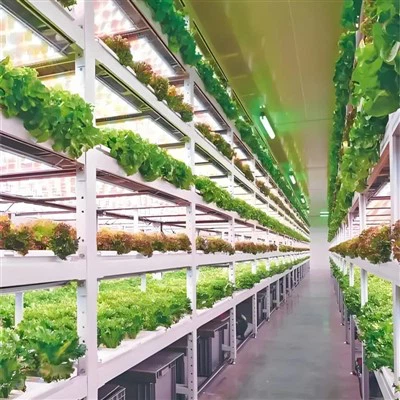

Hey there, fellow greenhouse enthusiasts! I'm a supplier of the Greenhouse Internal Shading System, and today, I'm super stoked to chat about how these systems work in arid regions.
Arid regions are known for their intense sunlight and high temperatures. These conditions can be a real challenge for greenhouse growers. Too much sunlight can lead to overheating, which can damage plants, reduce yields, and even kill crops. That's where a greenhouse internal shading system comes in handy.
How a Greenhouse Internal Shading System Works
Let's start with the basics. A greenhouse internal shading system is installed inside the greenhouse. It consists of a shade cloth that can be deployed or retracted as needed. The shade cloth is made of a special material that blocks a certain percentage of sunlight, usually between 30% to 90%, depending on the specific needs of the plants.
When the sun is at its peak and the temperature inside the greenhouse starts to rise, the shade cloth is deployed. This reduces the amount of sunlight entering the greenhouse, which in turn lowers the temperature. The system can be controlled manually or automatically. An Automatic Greenhouse Shading System uses sensors to detect the intensity of sunlight and temperature. Based on these readings, it will automatically deploy or retract the shade cloth.
Benefits in Arid Regions
In arid regions, the benefits of a greenhouse internal shading system are numerous. First and foremost, it helps in temperature regulation. By blocking a significant portion of the sunlight, the system prevents the greenhouse from turning into an oven. This is crucial for plants that are sensitive to high temperatures.
Secondly, it reduces water evaporation. In arid regions, water is a precious resource. High temperatures can cause water to evaporate quickly from the soil and the plants themselves. By lowering the temperature inside the greenhouse, the shading system reduces the rate of evaporation, which means less water is needed for irrigation.
Another benefit is that it protects the plants from sunburn. Some plants can get damaged by direct, intense sunlight. The shade cloth acts as a protective barrier, shielding the plants from the harsh rays of the sun.
Components of the System
The main component of a greenhouse internal shading system is, of course, the shade cloth. The shade cloth is typically made of a woven or knitted material. It can be made from different materials such as polyester, polyethylene, or a combination of both. The choice of material depends on factors like the level of shading required, durability, and cost.
In addition to the shade cloth, the system also includes a motorized mechanism for deploying and retracting the cloth. This mechanism is usually controlled by a controller, which can be set to operate based on pre - determined time intervals or sensor readings.
Installation and Maintenance
Installing a greenhouse internal shading system requires some technical know - how. It's important to ensure that the system is properly installed so that the shade cloth can be deployed and retracted smoothly. The system should be installed at the correct height and tension to ensure maximum effectiveness.
Maintenance is also relatively straightforward. Regularly check the shade cloth for any signs of damage, such as tears or holes. Clean the cloth periodically to remove dust and debris. Also, make sure to check the motorized mechanism and the controller for any malfunctions.
Comparison with Greenhouse External Shading System
You might be wondering how a greenhouse internal shading system compares to a Greenhouse External Shading System. An external shading system is installed outside the greenhouse. While it can also block sunlight, an internal shading system has some advantages.


An internal shading system can provide more precise temperature control. Since it's inside the greenhouse, it can directly affect the micro - climate within. It also protects the shade cloth from the harsh outdoor elements, which can extend its lifespan.
Customization for Arid Regions
When it comes to arid regions, we can customize the greenhouse internal shading system to meet the specific needs of the growers. For example, we can choose a shade cloth with a higher shading percentage to block more sunlight. We can also integrate the system with other climate control systems, such as ventilation and cooling systems, to create an optimal growing environment.
Why Choose Our Greenhouse Internal Shading System
As a supplier, we take pride in offering high - quality Greenhouse Internal Shading System. Our systems are designed to be durable, efficient, and easy to use. We use the latest technology to ensure that our shading systems can provide the best possible protection for your plants.
We also offer excellent customer service. Our team of experts is always ready to help you with installation, maintenance, and any questions you might have. We understand the unique challenges of growing in arid regions, and we're committed to providing solutions that work.
Conclusion
In conclusion, a greenhouse internal shading system is a game - changer for growers in arid regions. It helps in temperature regulation, reduces water evaporation, and protects plants from sunburn. With its many benefits and the ability to be customized, it's an essential tool for successful greenhouse cultivation in these harsh environments.
If you're interested in learning more about our greenhouse internal shading systems or are considering a purchase, don't hesitate to reach out. We'd love to have a chat and discuss how our systems can meet your specific needs. Let's work together to create the perfect growing environment for your plants!
References
- Smith, J. (2020). Greenhouse Climate Control in Arid Regions. Journal of Agricultural Technology.
- Johnson, A. (2019). The Role of Shading Systems in Greenhouse Cultivation. Horticulture Today.